

The City of Dallas is one of the largest municipal governments in the United States, serving more than 1.3 million residents across nearly 340 square miles. As a major metropolitan city, Dallas delivers essential public services through a wide range of departments that operate every day under different conditions, schedules, and operational demands. From public safety and emergency response to infrastructure, sanitation, utilities, and aviation, vehicles play a critical role in keeping city services moving.
Dallas supports dozens of departments, including Dallas Police, Dallas Fire-Rescue, Aviation, Sanitation Services, Transportation and Public Works, Dallas Water Utilities, Emergency Management and Crisis Response, and many others. Each department relies on fleet assets to perform its jobs efficiently and safely, often in high-pressure or time-sensitive environments.
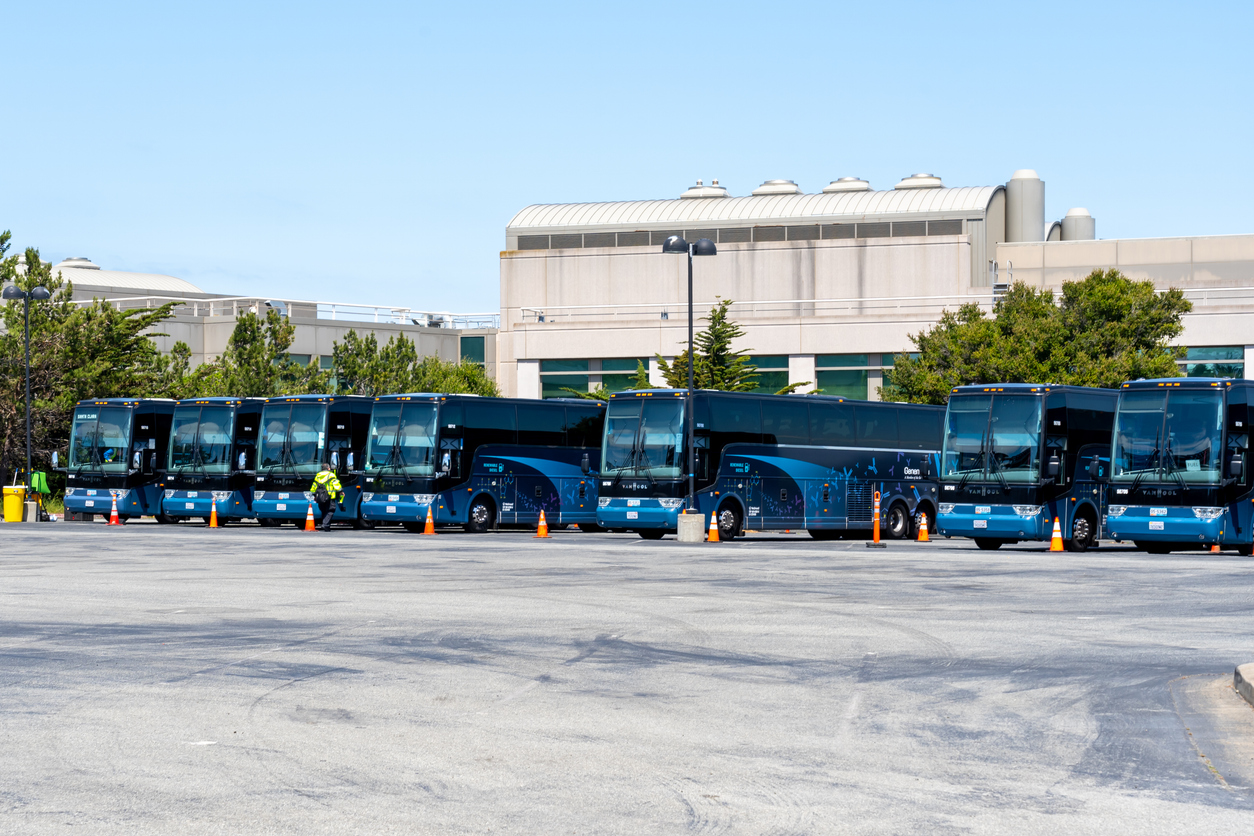
Through its Equipment and Fleet Management division, the City of Dallas fleet team supports approximately 5,400 City vehicles, excluding certain specialized public safety apparatus. These assets range from patrol vehicles and light-duty service trucks to heavy equipment, utility vehicles, and aviation-related assets. Managing a fleet of this size and diversity requires accurate data, consistent processes, and strong coordination across departments.
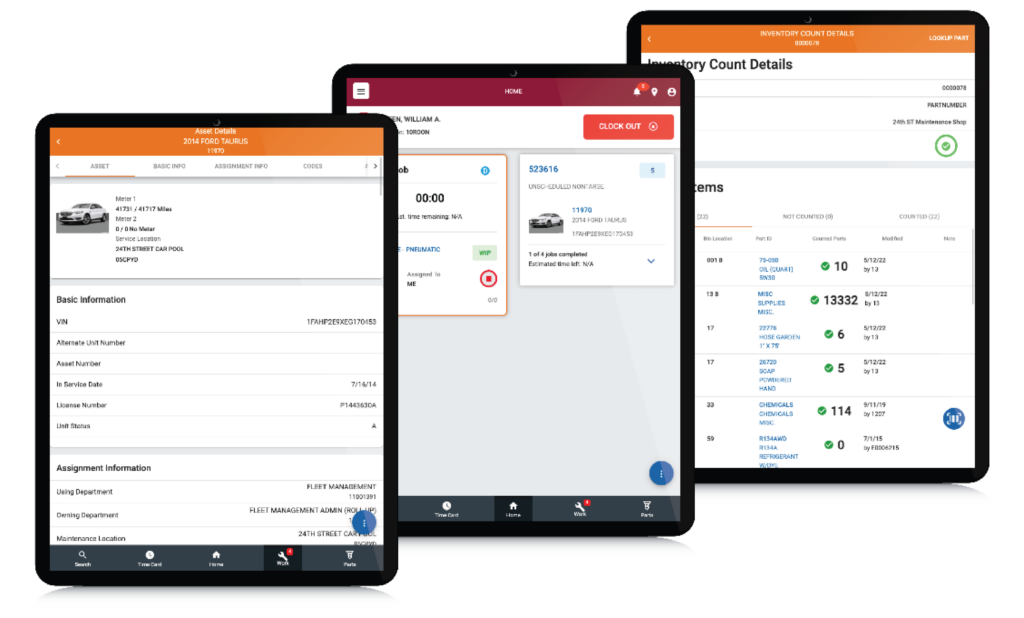
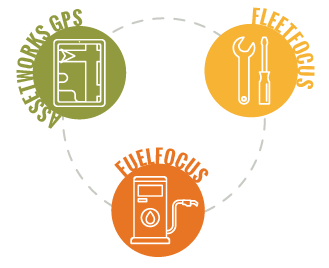
To support this complexity, the City of Dallas relies on an integrated AssetWorks ecosystem built around AssetWorks FleetFocus. By bringing maintenance management, telematics, fuel management, and safety technologies together under a single platform, Dallas operates with a centralized, citywide view of fleet operations.
"Aviation, police, fire — the whole city uses FleetFocus"
Juan Blanch-Miranda, Data Analyst
When Preventive Maintenance Depends on Guesswork
As the City of Dallas expanded and vehicle usage patterns became increasingly dynamic, preventive maintenance accuracy became a growing concern. Vehicles are often shared across drivers or departments, operate across multiple shifts, and experience very different duty cycles depending on their roles.
“Before, it was a whole mess,” Juan said. “A lot of the hours and mileage were not always right. There was a lot of guessing.”
Relying on estimates or manually entered data made it difficult to know when vehicles truly needed service. That uncertainty created inefficiencies and made it harder for the fleet team and departments to plan effectively.
"I’d say we saw about a 90 to 100 percent improvement in our PM schedules.”
Juan Blanch-Miranda, Data Analyst
Improving Preventive Maintenance Accuracy with AssetWorks GPS
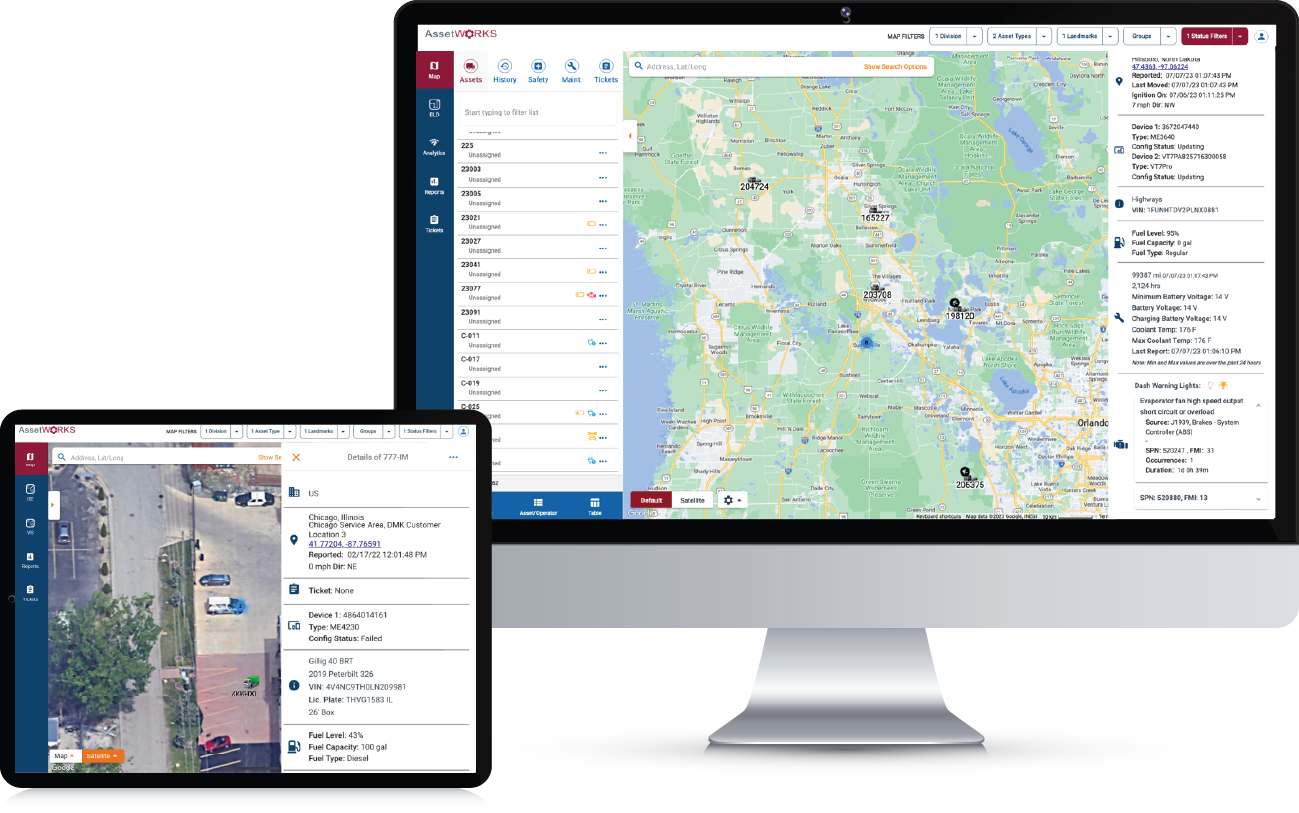
To address these challenges, the City of Dallas integrated AssetWorks GPS directly into FleetFocus. GPS devices capture real-world vehicle usage, including mileage and engine hours, and feed that data automatically into the fleet management system.
“Hours and mileage are what really matter for PM schedules,” Juan explained. “With GPS integrated into FleetFocus, we have constant, reliable information.”
That consistency had an immediate impact. Maintenance schedules became more accurate and more predictable, reducing unnecessary early service while also preventing vehicles from missing critical PM intervals.
“Now we have more accurate information, and we’re doing a lot better with the PM system,” Juan said.
When asked to describe the improvement, Juan was candid.
“I’d say we saw about a 90 to 100 percent improvement in our PM schedules.”
At the City of Dallas’ scale, that level of improvement directly affects vehicle availability, technician productivity, and long-term asset health.
Deployment also required discipline. While integrating the technology into the system was straightforward, maintaining consistency in how devices were installed across thousands of vehicles was critical.
“The integration itself was easy,” Juan said. “The biggest challenge was making sure technicians followed the installation standards and didn’t cut corners.”
Using Telematics and AI Dashcams to Promote Safety and Awareness
Safety is a priority for the City of Dallas, particularly for vehicles operating in dense traffic, emergency response situations, and high-risk environments. As part of its telematics program, Dallas has begun testing AI-powered dashcams on select vehicles.
These dashcams provide real-time feedback to drivers to reinforce safer driving behaviors and awareness.
“It makes you aware of how you actually drive,” Juan said. “Good or bad, it lets you know.”
Drivers receive immediate prompts that help correct behavior in the moment rather than relying solely on after-the-fact review. “It’s nice to have a system like that,” Juan added. “It keeps you aware of the do’s and don’ts.”
Dallas is intentional in its approach. The goal is safety, not punishment. “That’s for your safety and ours,” Juan explained.
Operationally, the fleet team continues to focus on usage data such as mileage, hours, and diagnostic codes, while departments monitor driver behavior in alignment with city policy.
“For fleet operations, we care about the vehicle data — mileage, hours, DTC codes,” Juan said. “The departments handle the behavior side.”
This balance allows Dallas to improve safety while keeping fleet operations focused and efficient.
"We charge back the departments based on what they actually consume. That’s all handled in FleetFocus.”
Juan Blanch-Miranda, Data Analyst
Gaining Control and Accountability Over Fuel Usage
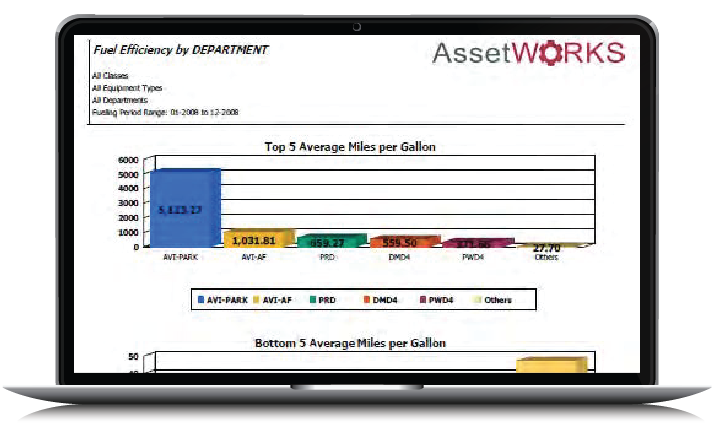
Fuel is one of the City of Dallas’ largest fleet expenses, making visibility and accountability essential. To manage fuel usage effectively, Dallas relies on AssetWorks FuelFocus, fully integrated with FleetFocus.
FuelFocus captures fueling transactions at city fuel sites, helps prevent unauthorized fueling, and ensures vehicles receive the correct fuel type. “It keeps track of all the fuel the city uses,” Juan said. That control is especially important in a mixed-fuel fleet. “It also helps prevent vehicles from getting the wrong type of fuel,” Juan explained. “That used to be an issue when people relied only on fuel cards.”
Dallas purchases fuel in bulk and then charges departments based on actual usage. FuelFocus supports this internal chargeback process by providing accurate, auditable data that flows directly into FleetFocus.
“We charge back the departments based on what they actually consume,” Juan said. “That’s all handled in FleetFocus.”
Fuel data also supports sustainability initiatives, fuel efficiency tracking, and emissions reporting across multiple fuel types, including traditional fuels and CNG. Dallas is also preparing to bring additional EV-related data into the same system as the fleet evolves.
“The goal is to get all that information in one place, just like we do with fuel and CNG,” Juan said.
The Impact of One Integrated System
For a fleet as large and distributed as Dallas’, the real value of technology is integration. Managing maintenance, telematics, fuel, and safety data in separate systems would introduce manual work and inconsistencies across departments.
By using FleetFocus as the central platform and integrating GPS, FuelFocus, and safety technologies into the same environment, Dallas operates under a single source of truth. “It’s like going to one store instead of five,” Juan said. “Everything you need is there.”
That integration simplifies coordination across departments, reduces data discrepancies, and supports consistent decision-making at scale.
Turning Fleet Data Into Better Decisions and Long-Term Planning
Beyond daily operations, Dallas uses integrated fleet data to support planning, budgeting, and replacement strategy. With FleetFocus bringing maintenance, usage, and fuel information together, the fleet team gains insight into how vehicles are performing over time.
“The data tells us if a vehicle is being underutilized or overutilized,” Juan said. “It also tells us why vehicles are coming in for PMs so often.”
That visibility supports more productive conversations between departments and the fleet team. Decisions about replacements, reassignment, or adjustments to usage are based on operational history rather than assumptions.
When budgets are reviewed and replacement cycles are evaluated, the city can point to data that reflects actual use and cost, helping ensure decisions are fair and defensible across departments.
"You meet people dealing with the same problems, and they’ve already figured out a workaround. That helps a lot.”
Juan Blanch-Miranda, Data Analyst
Supporting Continuous Improvement Through AssetWorks Academy
For the City of Dallas, managing a fleet of this scale requires more than technology alone. Ongoing education and knowledge‑sharing play an important role in making sure systems like FleetFocus continue to support day‑to‑day operations effectively.
The AssetWorks Academy is a key part of that effort. The Academy is AssetWorks’ annual, multi‑day training and networking event for AssetWorks users. It combines hands‑on software training with peer collaboration and direct access to AssetWorks teams, giving fleet professionals a chance to deepen their product knowledge and learn best practices they can bring back to their organizations.
For the City of Dallas, the value goes beyond the classroom sessions.“The Academy is the best way to do that,” Juan said. “You put a face to the people you call for support, and that changes the relationship.” Juan also highlighted the benefit of learning from other large fleets facing similar challenges. “You meet people dealing with the same problems,” he said, “and they’ve already figured out a workaround. That helps a lot.”
Those connections help the Dallas fleet team continue refining how they use FleetFocus and adapt as operational needs evolve.
One Connected Fleet, Citywide
By building fleet operations around FleetFocus and integrating GPS, fuel management, safety technologies, and ongoing support, the City of Dallas operates its fleet as one connected system.
Preventive maintenance is driven by real usage data. Fuel consumption is tracked and allocated accurately. Safety initiatives promote awareness without disrupting operations. Departments and the fleet team work from the same information, improving coordination across the city.
For a fleet that supports an entire major city, this integrated approach has become essential.