
Overview
Poor asset visibility, not knowing where a vehicle is, what condition it’s in, or whether it’s actually available, creates a steady stream of bad scheduling and dispatch decisions across fleet and logistics operations, from assignments made on outdated status to vehicles redeployed without being checked. This blog walks through where those visibility gaps show up in daily scheduling and how AssetWorks’ MobileFocus Enterprise suite, including FleetFocus EDGE and the MyVehicle, Yard Check, Inspection Checklist, and Dashboard SmartApps, closes them by putting real-time asset information directly into the hands of operators and logistics staff.
A vehicle is marked available. It’s not actually available. It gets assigned to a route or a load anyway, but it’s really sitting in a bay waiting on a part, or it just came back from a job with a defect nobody has cleared yet. The assignment goes through anyway, because the person doing the scheduling had no way to see any of that.
This is what poor asset visibility actually costs a fleet: not one dramatic failure, but a steady stream of scheduling decisions made on outdated or incomplete information. Multiply that across a dispatch board, a delivery route, or a shift handoff, and it adds up to bad assignments, wasted trips to the yard, and operators finding out about a problem only after they’re already behind the wheel.
The fix isn’t more spreadsheets or more phone calls to the shop. It’s getting real-time information about where an asset is and what condition it’s in directly into the hands of the people making scheduling decisions, without a detour through a desk or a dispatcher.
Assigning a Load to a Truck That's Still in the Shop
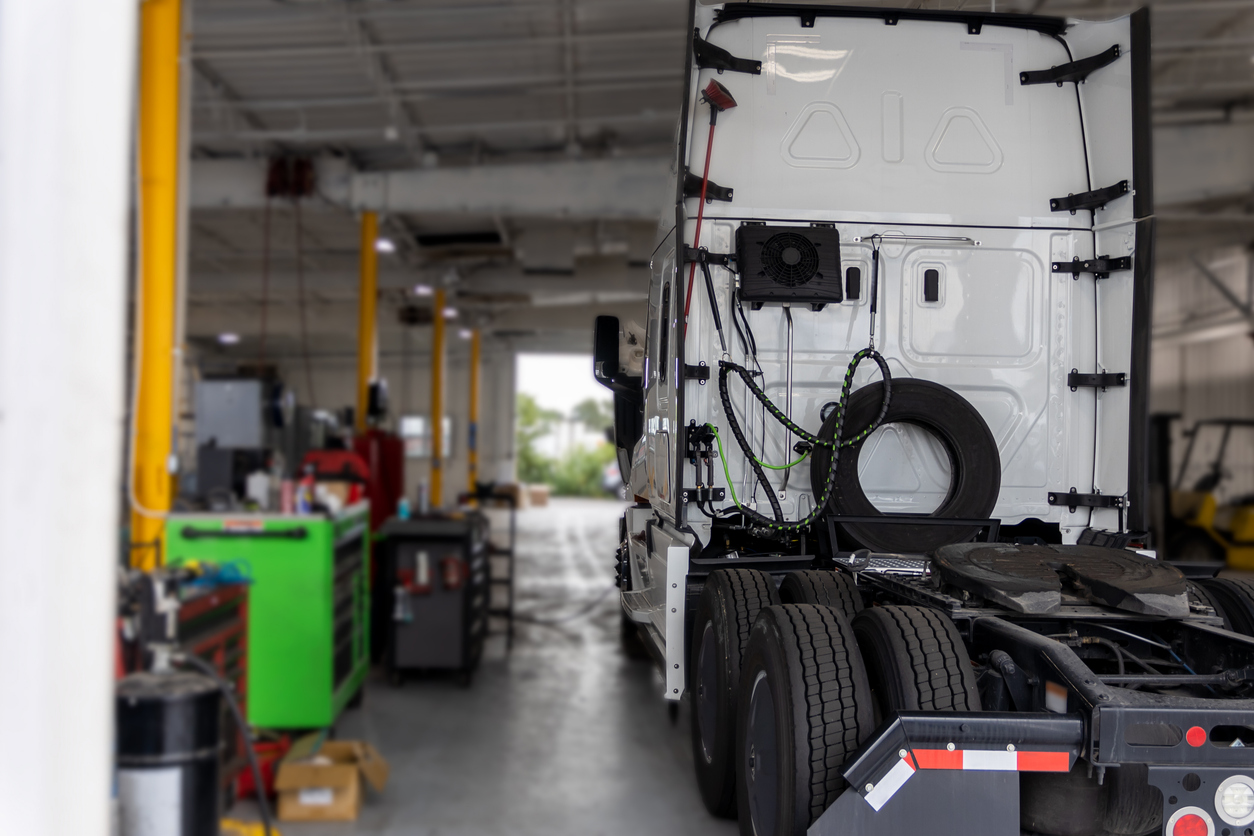
A truck gets assigned to a route or a load, and it turns out it’s still up on a lift, or a defect flagged during this morning’s inspection hasn’t actually been cleared yet. The assignment wasn’t really a mistake. It was made on whatever status the dispatcher had at the time, which was accurate an hour ago and isn’t anymore.
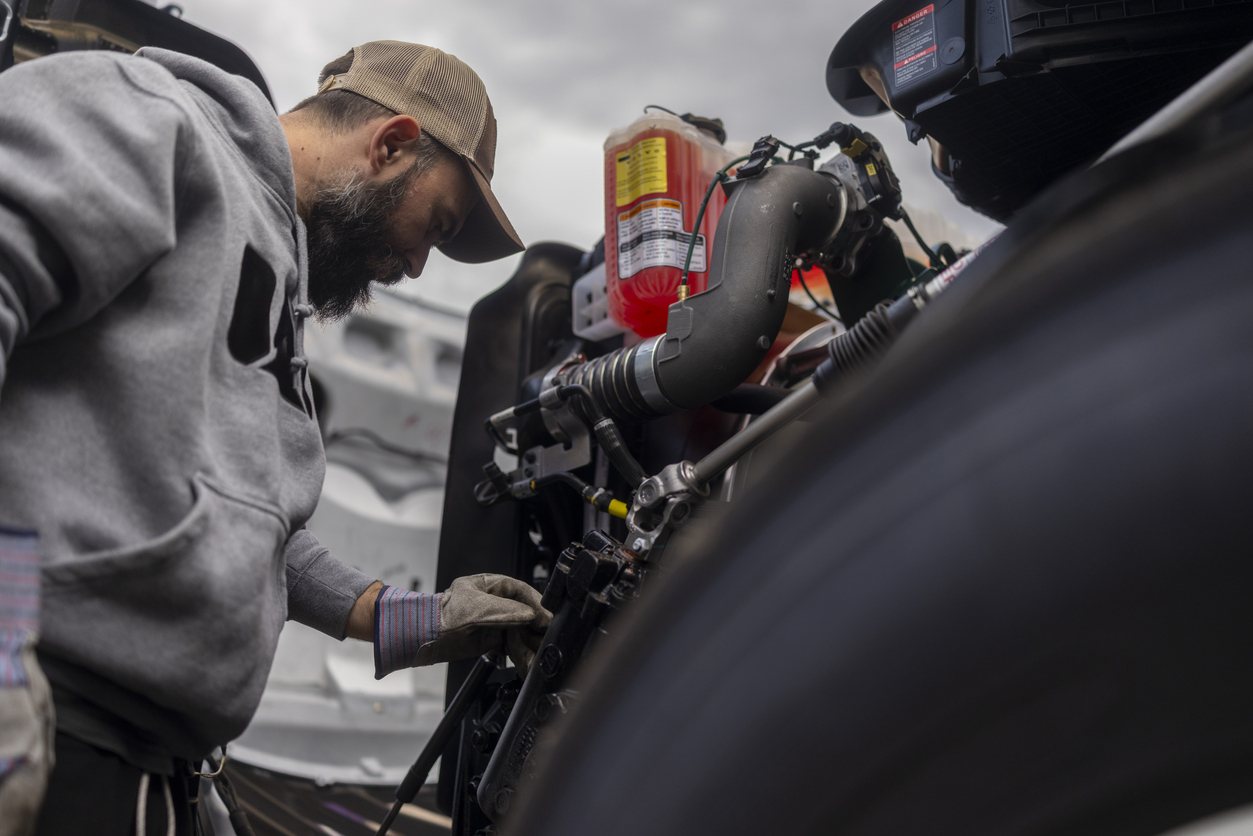
FleetFocus EDGE closes that gap by keeping status current the moment it changes, not the moment someone gets around to reporting it. A technician closing out a work order from a tablet on the shop floor, or clearing a defect flagged during an inspection, updates that truck’s status in the same system a supervisor or dispatcher checks before making the next assignment. The information they’re working from is the same information the shop just entered, not whatever was true when the shift started.
Operators Are the Last to Know a Vehicle's Status
An operator picking up a vehicle for a route usually knows less about it than almost anyone else in the organization. Whether it’s due for service, what its last work order actually said, whether a meter reading was even logged correctly, all of that typically lives in a system the operator never opens, if they have access to it at all.
Putting that information directly into an operator’s hands changes the timing of a lot of small decisions. The MyVehicle SmartApp gives operators direct access to their vehicle’s meter readings, service history, and open work orders from a phone, and lets them submit a service request the moment something looks off instead of waiting to report it back at the yard. It also gives operators a directory of preferred vendors for situations on the road, so a repair away from home base still gets routed through an approved channel instead of whatever shop happens to be closest.
Small issues get flagged before they turn into a missed pickup or a vehicle failing mid route, and the operator isn’t stuck waiting on someone else to notice.
A Vehicle Comes Back In, and Nobody Actually Checks It
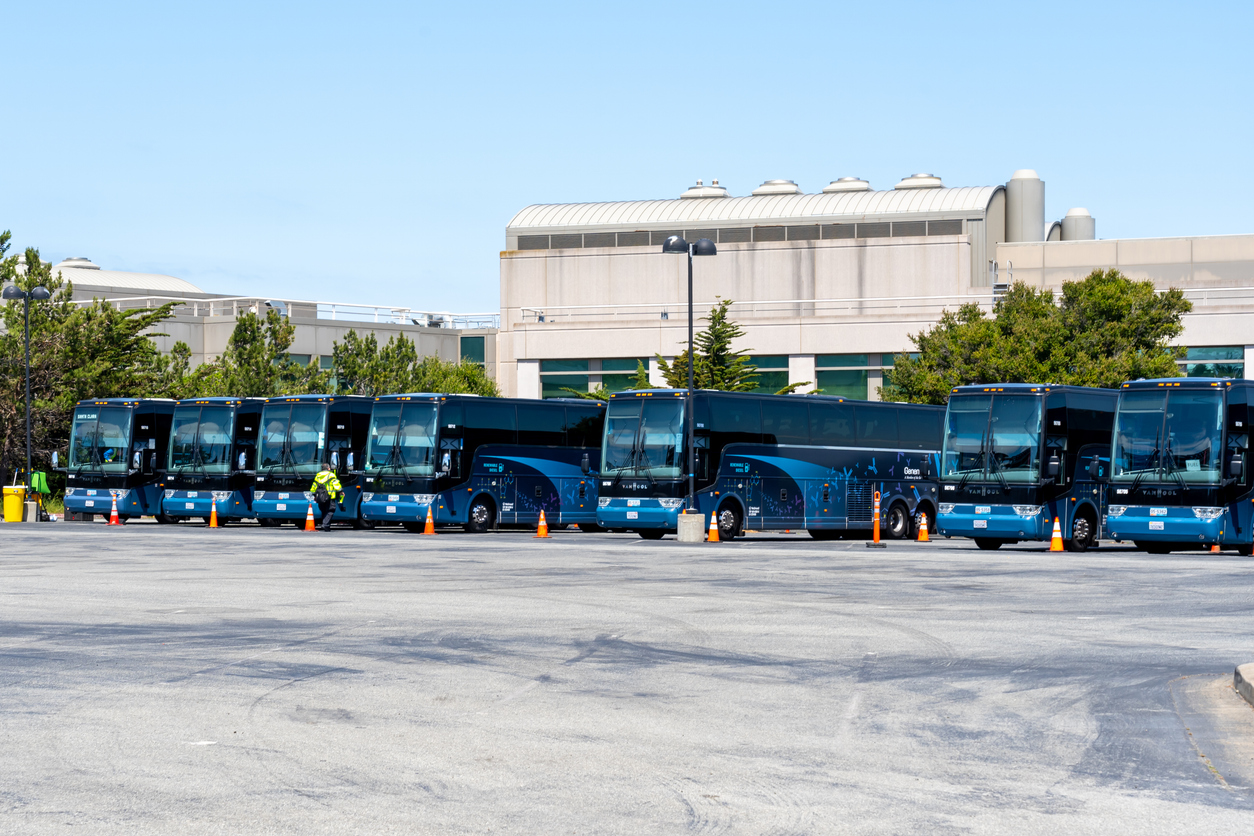
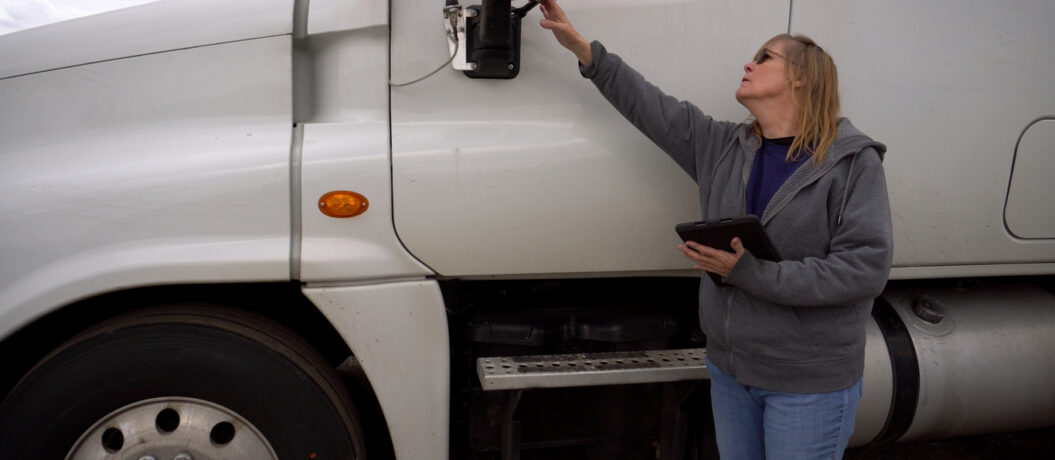
A vehicle returns to the yard at the end of a shift or a rental period, and the next thing anyone knows about it is when it goes back out for its next assignment. Whatever happened to it in between, a low tire, a dashboard light, a meter reading nobody logged, usually only surfaces once it’s already scheduled for something else.
The Yard Check SmartApp is built for exactly that moment. It lets whoever is receiving a returning asset log its condition, update meters, rate its overall state, and start a service request right there, before the vehicle gets scheduled for its next use. That condition rating does double duty. It catches the immediate issue, and over time it builds a record that helps decide when an asset is worth repairing again versus when it’s closer to the end of its useful life.
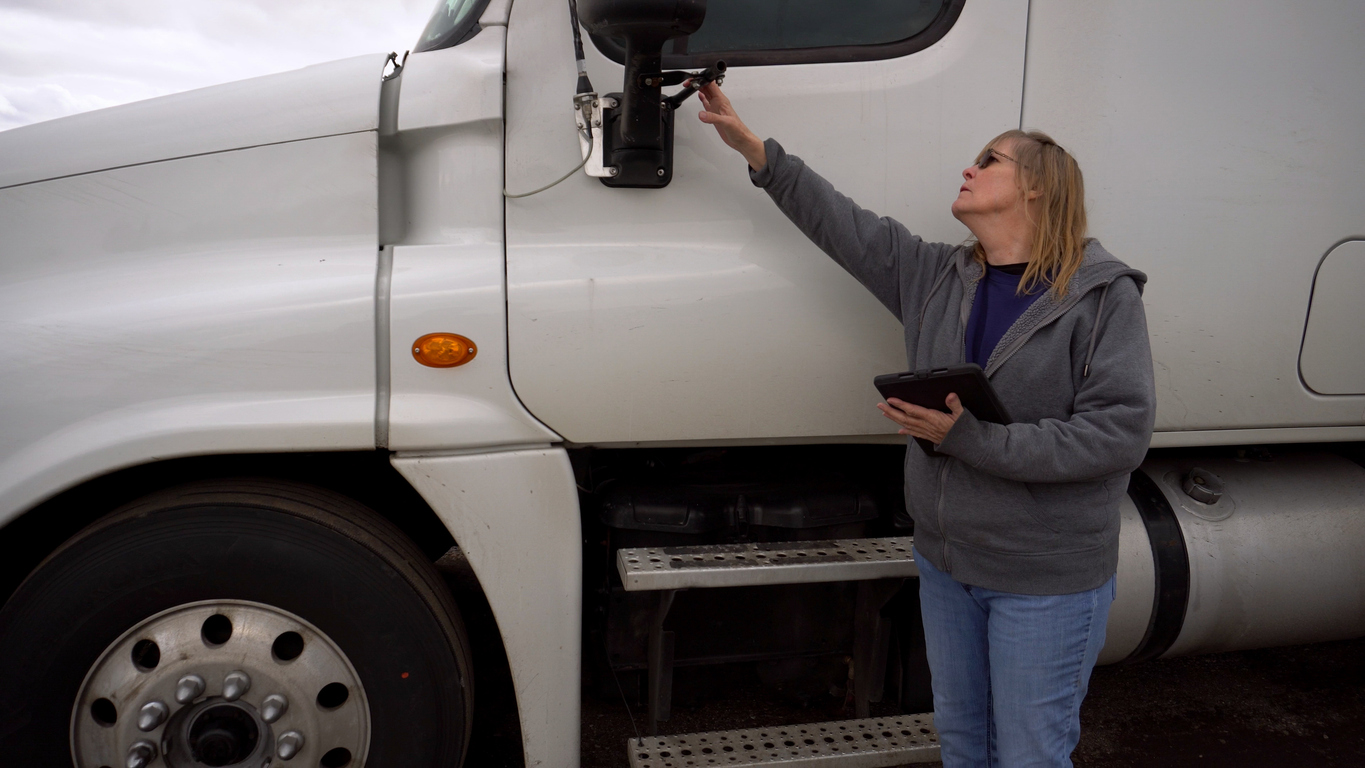
Pairing Yard Check with the Inspection Checklist SmartApp, which routes any defect found during a routine inspection straight into a service request in FleetFocus and keeps a fleet compliant with DOT inspection requirements without paper forms, means a problem gets caught and documented before it becomes someone else’s surprise later in the schedule.
No One Can See the Whole Operation at Once
Individual vehicle status is only part of the picture. Making good scheduling decisions across a fleet also means knowing utilization trends, how much of the fleet is tied up in maintenance at any given time, and where assets are sitting idle when they could be reassigned, and that view is usually locked behind a report someone has to request and wait on.
The Dashboard SmartApp puts the same dashboards and KPIs fleet managers already rely on in FleetFocus directly on a mobile device, so a logistics coordinator can check utilization or maintenance status from wherever they’re standing instead of waiting for someone at a desk to pull a report. A quick look can show which units have been sitting unused long enough to be reassigned somewhere else, or how much of the available fleet is actually out of service on a given day, the kind of trend that’s easy to miss when it only shows up in a monthly report.
Decisions about what to schedule, and when, get made against current information instead of whatever the last report happened to say.
One System Instead of a Dozen Blind Spots
None of this requires a separate tool for every question. FleetFocus EDGE and the SmartApps that run on top of it are all part of the same MobileFocus Enterprise suite, so a reservation, a meter reading, a yard inspection, and a utilization dashboard are all pulling from and feeding back into the same asset record instead of a dozen separate ones. Whether someone is booking a vehicle, picking one up, checking one back in, or just trying to get a read on the whole operation, they’re working from the same information the shop and the front office are already using.
The result isn’t more visibility for its own sake. It’s fewer scheduling decisions made on information that was already out of date by the time it reached someone’s desk, and fewer surprises for the people trying to keep an operation moving on time.