
Overview
This blog frames modern fleet management as the coordination of several connected systems rather than a single tool, tracing how fuel, EV charging, telematics, motor pool, and reporting data feed one shared vehicle record instead of requiring manual reconciliation across separate logins. It walks through specific touchpoints, a fuel transaction, an EV charging session, a telematics fault code, and a motor pool checkout, showing how each becomes part of the same maintenance and utilization record instead of a standalone log. FleetFocus, Asset Analytics, FuelFocus, FuelFocusEV, AssetWorks GPS, and KeyValet are referenced as the connected suite that removes that reconciliation work.
A modern fleet isn’t run by one piece of software. It’s run by several: something that tracks fuel, something that tracks location and engine data, something that manages a motor pool, something that handles EV charging, and something that turns all of it into a report someone can actually use. The question that matters day-to-day isn’t which of those exists — most fleets already have some version of each. It’s whether they’re talking to each other, or whether someone’s job is to manually stitch them together every week.
That distinction is what actually changes a workday. Not a new dashboard to check, but fewer places where the same piece of information has to be entered, exported, or reconciled by hand before anyone can use it.
Every Fill-Up Becomes Part of the Record, Not a Separate Log
Fuel has traditionally lived in its own world — a card program, a spreadsheet, a monthly reconciliation that catches discrepancies well after they happened. A vehicle burning more fuel than it should, a card used somewhere it shouldn’t have been, a shrinkage pattern that only shows up once someone finally sits down and compares three months of statements. All of it is real money, and all of it is usually caught late.
When fuel transactions are captured automatically and tied to the vehicle’s actual record (odometer reading, maintenance history, assigned driver), the picture changes from a monthly reconciliation project to something closer to real time. A system like FuelFocus doesn’t just log a transaction; it feeds that reading into the same record used for preventive maintenance scheduling, so a fill-up is also a mileage update the rest of the fleet system already needed.
Charging an EV Doesn't Mean Starting a Second Fuel Program
As EVs enter a fleet, a common pattern is to end up running two parallel worlds: the existing fuel program for the combustion vehicles, and a separate way of tracking charging for the EVs, often through whatever software came with the charging hardware. That split makes it hard to answer a simple question — what is this fleet actually spending on energy — without pulling numbers from two unrelated places.
Charge management built to work alongside fuel management instead of apart from it closes that gap. FuelFocusEV captures charging session data, cost per kilowatt-hour, and time plugged in versus time actually charging, and reports on it the same way fuel gets reported on, so energy cost — gas or electric — is one picture instead of two. It also manages load across chargers automatically, which matters more than it sounds like once more than a couple of vehicles are charging on the same circuit at once.
Location Data Feeds Maintenance, Not Just a Map
Telematics gets sold on the idea of knowing where a vehicle is, but the more useful part of it, day to day, is everything riding alongside the location: mileage, engine hours, and fault codes. A dot on a map is nice to have. A fault code that automatically opens a work order before the vehicle even gets to the shop is what actually changes outdated processes.
That only works if the telematics data and the maintenance system are the same system, not two systems that happen to be connected by an export. AssetWorks GPS feeds mileage and engine-hour readings directly into preventive maintenance scheduling and routes trouble codes into work orders automatically, so it answers the question that actually drives a schedule.
Checking Out a Pool Vehicle Doesn't Mean Losing Track of It
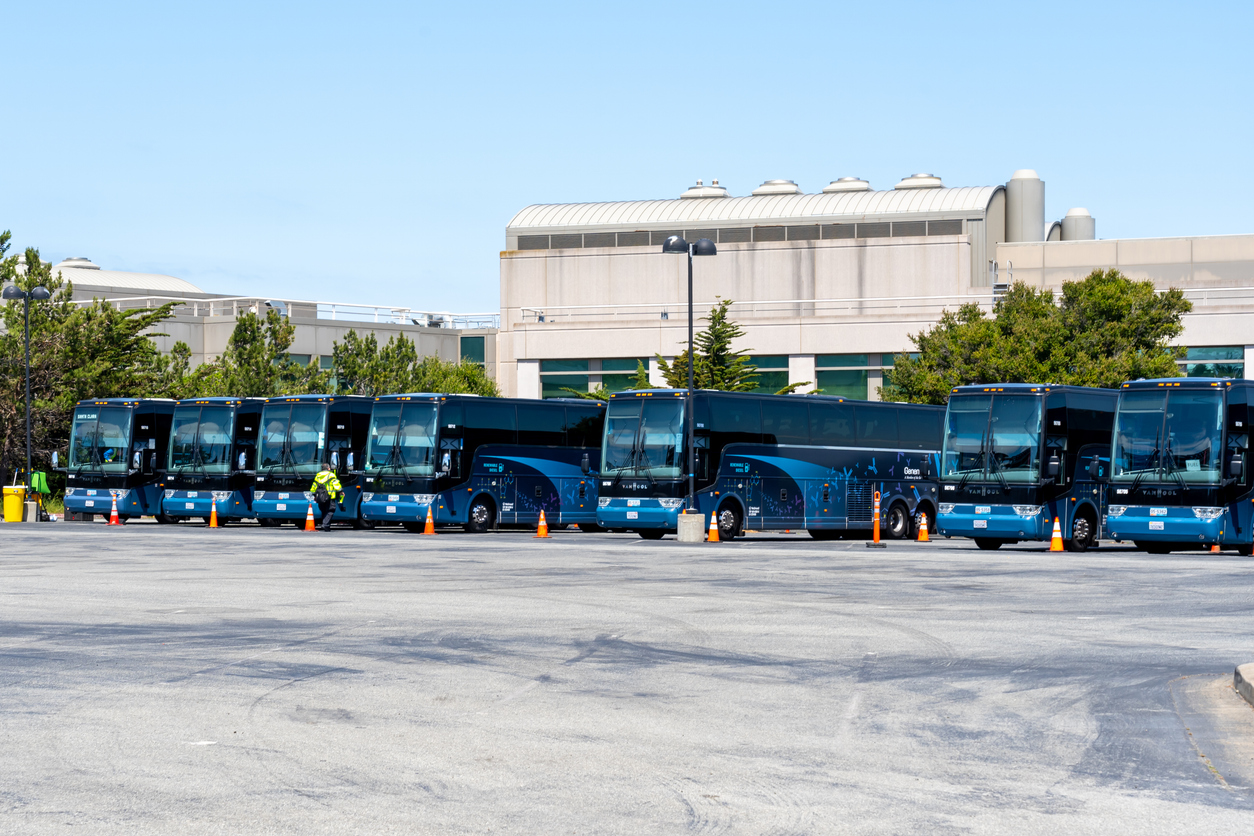
Motor pools tend to run on their own logic: a sign-out sheet, a key box, a reservation calendar that lives outside fleet software. These are all manageable at a small scale, but it means a pool vehicle’s odometer reading, trip history, and maintenance status often live in a different place than every other asset’s does, which makes it easy for a pool vehicle to quietly fall behind on service simply because nobody was watching it the same way they watch the rest of the fleet.
Automated motor pool management changes that by treating a pool vehicle like any other asset in the system, not an exception. KeyValet handles reservations, checkout, and billing, but it also feeds real-time odometer and trip data back into the same record everything else runs on, so a pool vehicle’s maintenance schedule stays current automatically, instead of depending on someone remembering to check on it separately.
Every System Feeding the Same Picture Is What Reporting Actually Needs
None of the above matters much if the data from fuel, charging, telematics, and motor pool still has to be manually assembled into something a person can actually read. That assembly work is where a lot of fleet reporting time disappears — not analyzing the numbers, but gathering them from four or five places that don’t share a format, let alone a database.
An analytics layer built to pull from all of those systems at once is what turns that information into something usable without the manual step. The Asset Analytics Platform combines maintenance, fuel, charging, telematics, and utilization data into dashboards and reports that already reflect the whole fleet, not just whichever system someone remembered to export from that week. The report isn’t assembled after the fact — it’s already built, because the data was never scattered to begin with.
The Real Change Is One Record, Not Six Logins
A lot of fleet software gets built the other way around: a maintenance system that bolts on GPS through a third-party integrations marketplace, a fuel program that treats EV charging as an afterthought, a motor pool tool that never quite talks to the main fleet database. Each piece works fine on its own, but the fleet ends up managed through a handful of separate logins that all describe the same vehicles differently.
The alternative isn’t more software, it’s the same information landing in one place. FleetFocus, Asset Analytics, FuelFocus, FuelFocusEV, AssetWorks GPS, and KeyValet are built to work as one connected system rather than a set of point solutions stitched together after the fact, which is what actually changes a day: less time reconciling, more time acting on information that was already accurate the moment it showed up.