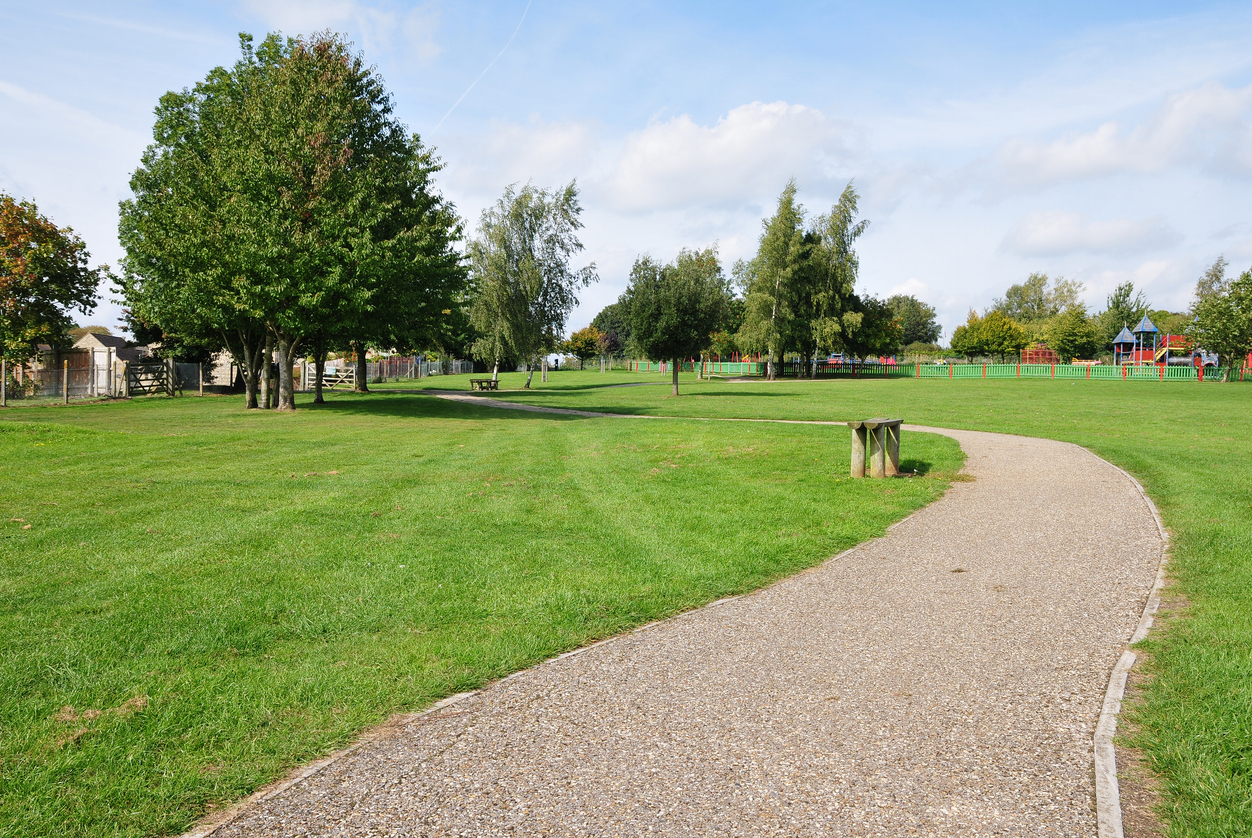

A retired schoolteacher walks the same two-mile loop every morning. It’s the best thing she does for her health, and her doctor knows it. Then the bench at the halfway point cracks and gets pulled. A few weeks later the trailhead restroom is closed for repairs, with no reopening date posted. She starts doing the short loop instead. Eventually she stops coming.
Nobody cancelled a wellness program. A couple of assets just wore out.
That small story is going to play out in a lot of communities over the next decade, because two trends are colliding: people are living longer and leaning on parks to stay well, and the infrastructure they depend on is getting older too.
The people side of the equation
The demographic shift is no longer a forecast. A Stateline analysis of Census Bureau estimates found that 11 states now have more residents over 65 than under 18, up from four in 2020. The national median age hit a record 39.1 in 2024.
Park and recreation agencies have already stepped into this. NRPA’s Park Pulse found that 92% of U.S. adults look to their local park and recreation agency to provide activities for older adults, and 77% of agencies offer programs specifically for them. NRPA’s Healthy Aging Framework, supported by the RRF Foundation for Aging, frames well-being across seven dimensions, from physical and social to environmental and economic.
So the vision is in place. Parks as a wellbeing ecosystem for people living longer is a real strategy, with real programming behind it.
The question is whether the physical system underneath that strategy is built to last as long as the people using it.
The asset side of the equation
The answer, for many agencies, is not yet.
ASCE’s 2025 Infrastructure Report Card gave public parks a C-. That’s an improvement from a D+ in 2021, but the details are sobering. Deferred maintenance at state parks rose from $6.5 billion in 2021 to $15.9 billion in 2024. For city parks, a 2022 estimate put the backlog at $65 billion, and that only covers the 100 most populous cities. ASCE also notes that city park maintenance data is “extremely limited.”
That last point matters as much as the dollar figures. Plenty of agencies can’t say with confidence what condition their trails, restrooms and courts are in today, let alone what they’ll look like in ten years.
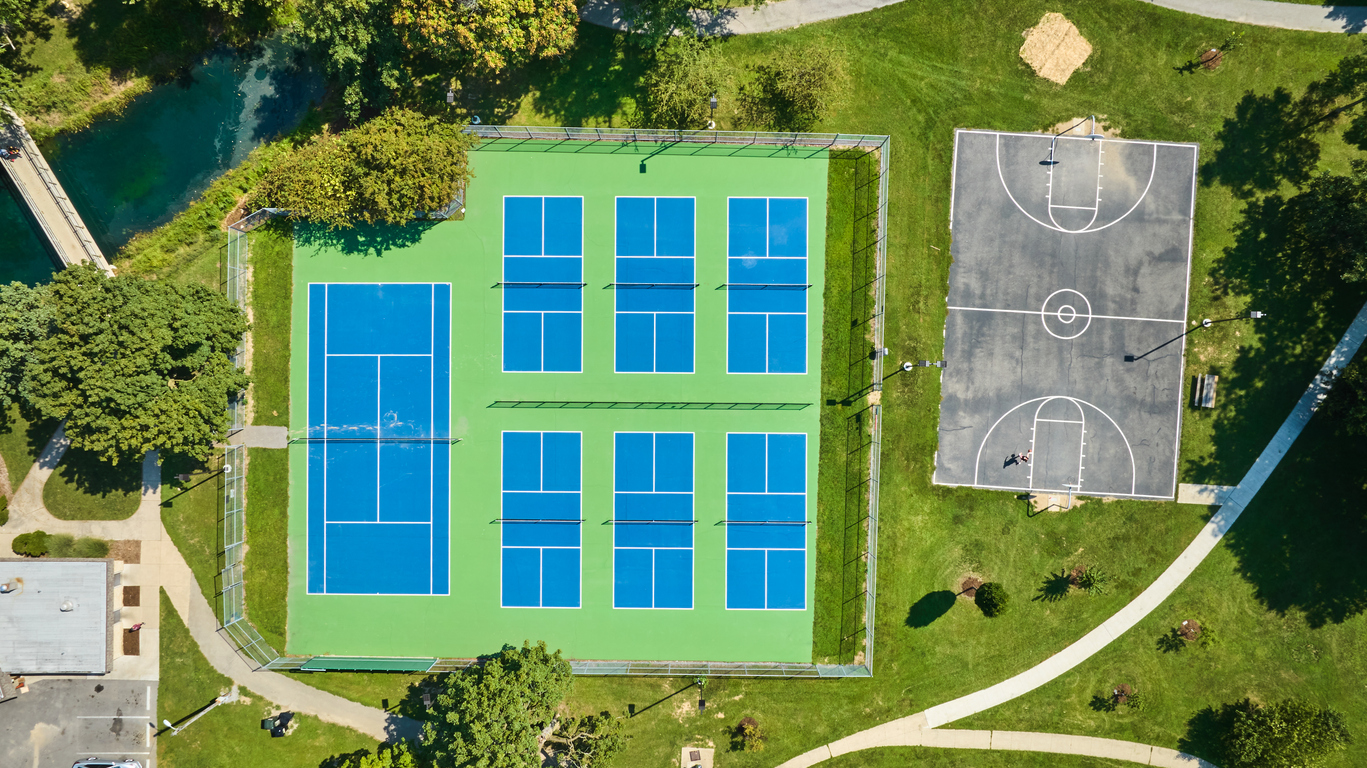
Meanwhile, the amenities residents value most are exactly the ones that age quietly. In a recent NRPA poll, the public’s top three park amenities were seating and shade, open green space, and trails. None of those make headlines when they’re working. All of them change behavior when they’re not.
Why aging assets belong in the wellness story
For an older adult, small infrastructure details decide whether a park visit happens at all.
- A restroom that’s reliably open often determines how far from home someone is willing to go.
- A heaved trail joint or a cracked court surface is a trip hazard, and a fall can end an active routine for months.
- A bench every quarter mile turns a walk that’s “too long” into one that’s doable.
- Lighting and shade decide what hours of the day a space is usable.
When those assets fail, the impact shows up in participation, not in a work order. That’s why condition and lifecycle planning deserve a seat at the same table as programming. If an agency is promising healthy aging, the maintenance plan is part of that promise.
Treat condition data like health data
The good news is that this is a solvable problem, and agencies don’t need a perfect dataset to start.
Know what’s out there. An inventory of the assets that support older adult use (trails, restrooms, seating, courts, lighting, parking near entrances) is the foundation. GIS helps a lot here. ASCE points to state park systems already using GIS to track assets and infrastructure needs.
Rate condition on a regular cycle. Even a simple 1-to-5 scale, applied consistently, beats a perfect assessment done once every eight years. Field crews already see this every day. The trick is making it easy for them to capture what they see on a phone, in the moment, instead of trying to remember it back at the shop.
Prioritize by who uses it. A worn-out restroom at a trailhead with 200 daily walkers is a different priority than one at a lightly used corner of a park. Connecting condition data with usage (counts, program enrollment, reservation data) turns a repair list into a ranked plan.
Plan replacement before failure. Every asset has an expected life. Trails, restrooms and court surfaces can be forecast years ahead, which means budget requests can be, too. Running to failure is the most expensive way to manage a park, and the hardest on the people using it.
Tell the budget story in human terms. “Replace restroom building, $180,000” is easy to defer. “Keep the trailhead open for the 200 older adults who walk there every morning” is a lot harder to cut. The data behind both sentences is the same. The second one is the one council members remember.
Design for the long haul
When an asset does come up for replacement, it’s a chance to build for the next 30 years of users, not the last 30.
That might mean firmer, smoother trail surfaces, more frequent seating, family and adult changing restrooms, or better lighting along the routes people walk most. At NCOA’s 2025 Age & Action Conference, architects Chris Wante and Doug Gallow made the case for involving older adults directly in senior center design, with flexible, accessible spaces that adapt as programs change. That same principle applies outdoors. The people walking the loop every morning know exactly which bench is wobbly and which restroom is always locked. Ask them.
A practical place to start
Agencies don’t have to tackle the whole system at once. Pick one heavily used corridor, like a popular loop trail and its trailhead, and treat it as a pilot:
- Inventory every asset along it.
- Rate condition and note who uses it and when.
- Set a target level of service (for example, restroom open and clean during posted hours, no trip hazards over a set height).
- Build a five-year replacement forecast for that corridor.
- Share the results with your aging services partners and your council.
One well-documented corridor makes a far better case than a systemwide estimate nobody trusts.
Parks are already part of how communities help people live longer, healthier lives. The trails, courts and restrooms that make that possible need the same long-term thinking. Which asset in your system do your older residents depend on most, and do you know what condition it’s in today?