

Overview
Technician productivity in fleet maintenance shops is limited less by effort than by friction: trips to shared terminals, jobs stalled by unexpected findings, end-of-shift paperwork, and unclear next assignments. The article explains how mobile access to work orders, parts ordering, time entry, and maintenance schedules through FleetFocus EDGE removes that friction, increasing shop throughput while keeping technicians’ workdays sustainable.
You clock in with a full board. By lunch, you’ve had a wrench in your hand for maybe half of it. The rest went to walking back to the shared terminal, waiting for someone else to finish on it, checking whether a part came in, and asking around about what the last tech found on this unit. By the end of the shift you’re tired in a way that has very little to do with the actual repairs.
That’s the part most productivity conversations miss. The usual move is to push harder: more jobs on the board, tighter turnaround targets, less breathing room between tasks. It works for a week or two, and then it shows up as missed steps, comebacks, and good techs looking for the door. The better lever is the distance between you and the information you need to do the job. When the system lives in the bay with you, through a mobile interface like FleetFocus EDGE, a lot of the friction that wears people down goes away. Here’s where that friction usually hides, and what changes when it’s gone.
Busy Isn't the Same as Productive
Most technicians aren’t short on effort. They’re short on uninterrupted time. A shift can feel nonstop and still produce fewer finished jobs than it should, because so much of it goes to the work around the work: looking things up, waiting on answers, and writing the same information down twice.
That’s also where burnout starts. Hard repairs are rarely what drains people. The stop and start is what does it: setting a job down, walking away, coming back, figuring out where you left off, and doing it all again an hour later. Every restart costs time and focus, and the cost compounds over a week. If a shop wants more productive hours without asking anyone to work faster, the first step is taking those restarts out of the day.
The Walk to the Terminal Adds Up
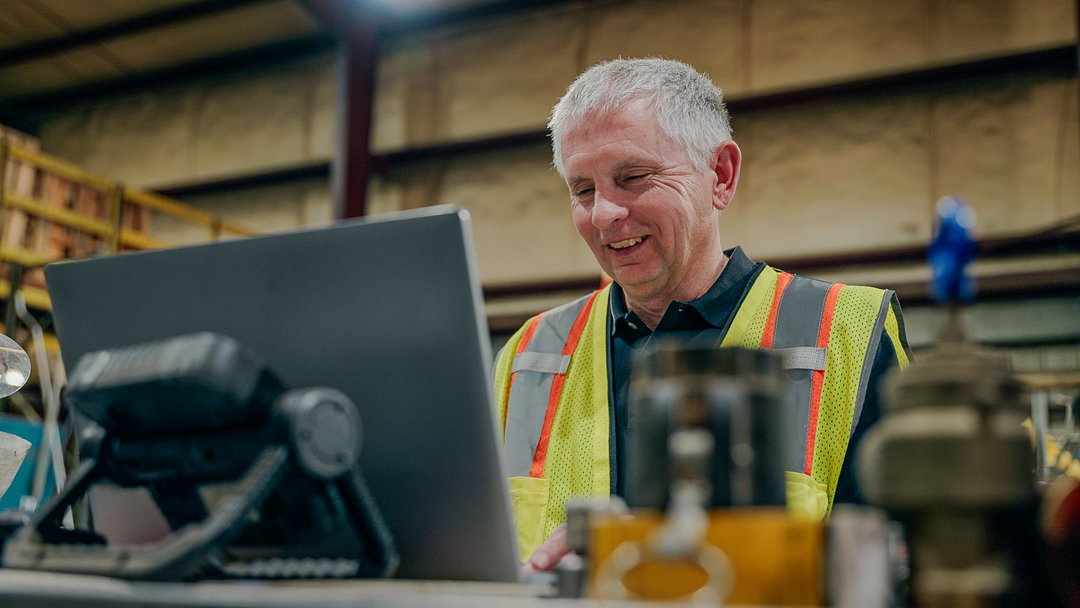
In a lot of shops, the system of record lives on one or two shared workstations. Need to check a work order, look up a part, or log your time? You stop, pull off your gloves, walk across the shop, and maybe wait behind someone doing the same thing.
Any one of those trips takes a few minutes. Across a full crew and a full shift, it’s hours. Worse, it trains people to batch their updates and save everything for the end of the day instead of entering it as it happens, which is exactly how details get lost.
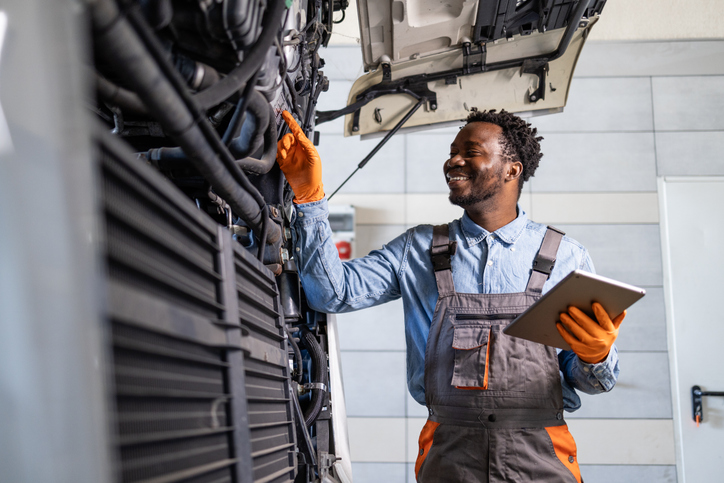
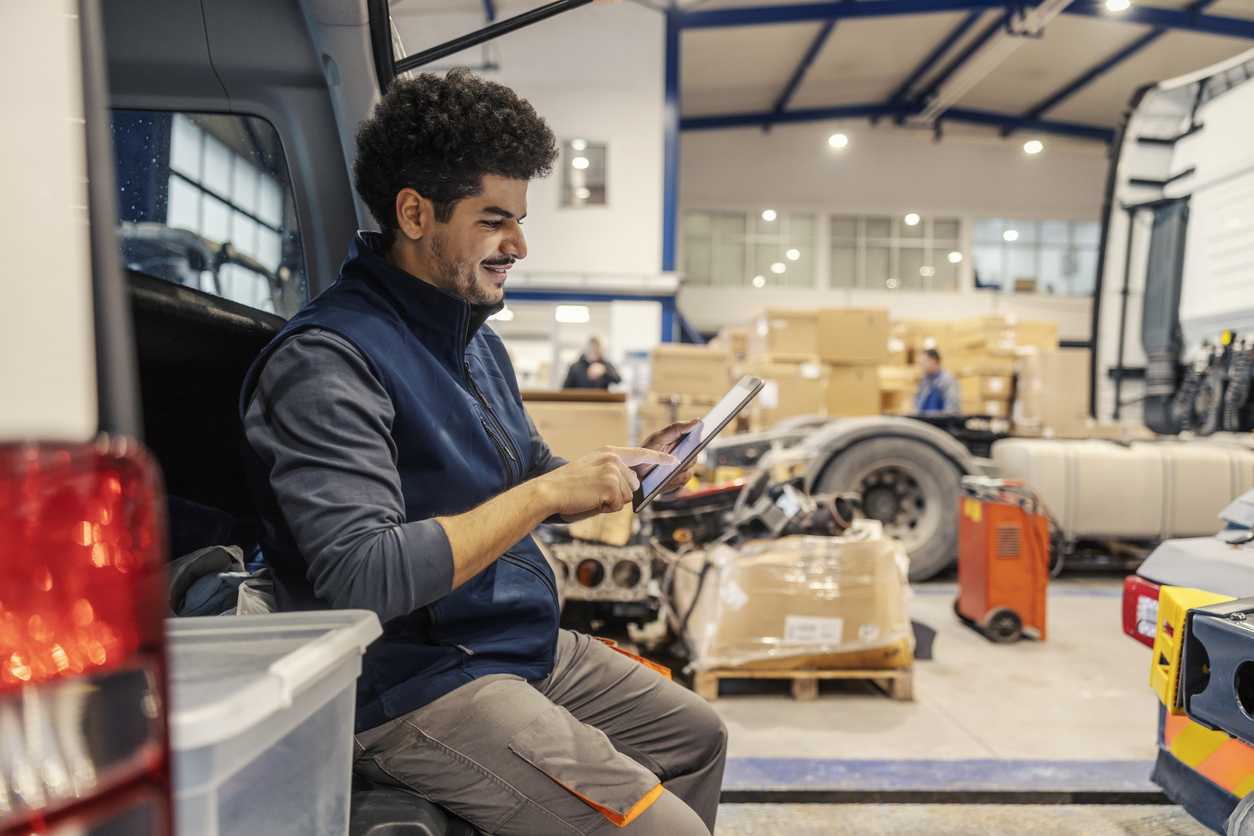
FleetFocus EDGE is built to close that gap. Because it’s fully responsive, the same FleetFocus system runs on a tablet or phone at the bay, not just on a desktop in the office. You can pull up the work order, see what’s been done on the unit before, and update the job without leaving the vehicle. Workflows are streamlined to take fewer clicks, so checking something feels like part of the job instead of a separate errand.
Finding Something Unexpected Shouldn't Stop the Job
You’re in for a scheduled service and find a worn component that wasn’t on the work order. In a lot of shops, that’s where the job stalls. You go find a supervisor, someone writes it down, someone else checks on parts, and the truck sits half apart while everyone catches up.
When you can update the work order from the bay, that finding goes into FleetFocus the moment you enter it. Whoever needs to approve the extra work or plan around the downtime sees it right away instead of hearing about it secondhand. If you need a part, you can order it from your device with the details and quantity attached, instead of walking it over to the parts counter and explaining it twice.
The repair still takes as long as it takes. What disappears is the waiting in between, and the frustration of being the person stuck in the middle of it.
End-of-Shift Paperwork Is Where Good Days Go Bad
Some of the most draining minutes in a technician’s day come after the last job is done: reconstructing time on each work order, remembering what got replaced on which unit, and writing notes for repairs you finished six hours ago. It’s tedious, it’s easy to get wrong, and it eats into time that should be yours.
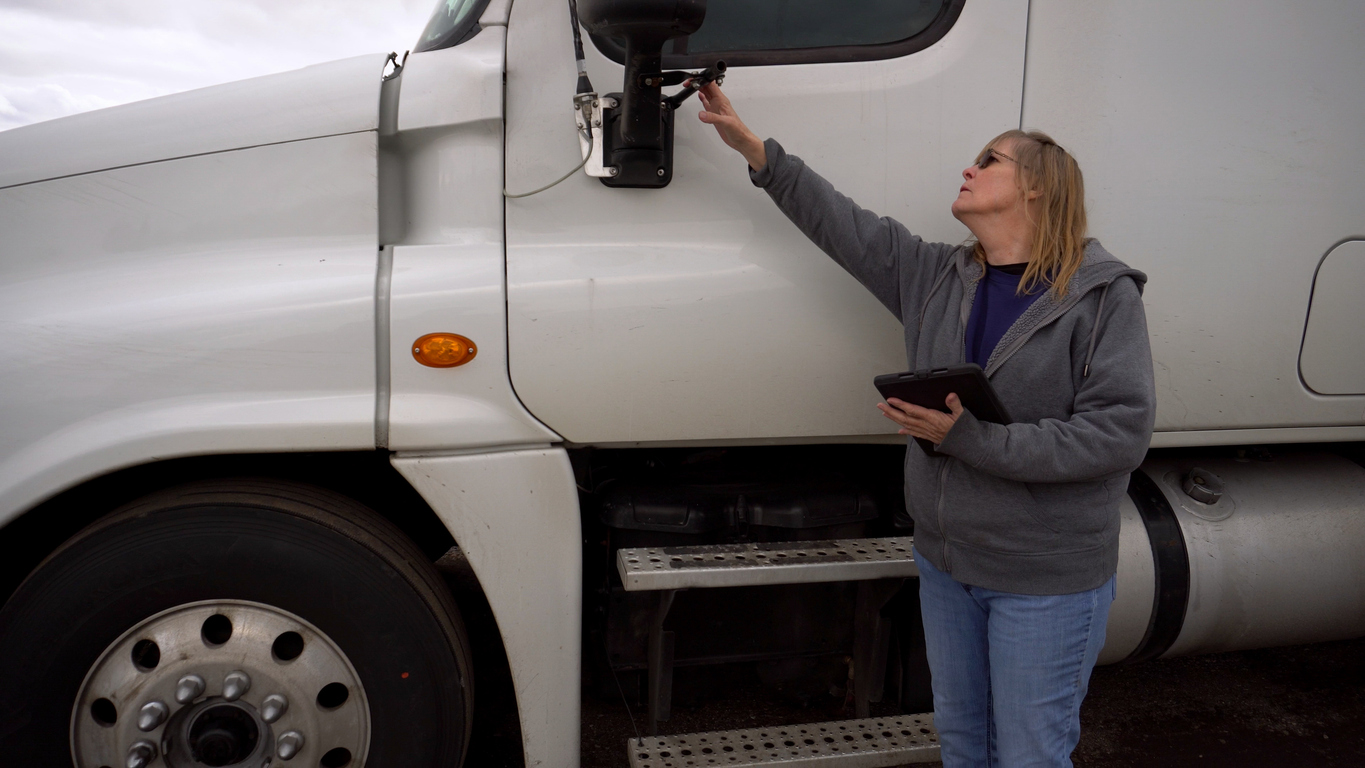
Logging time as you work, right from the shop floor, takes most of that off the end of the shift. With EDGE, you record labor against the job you’re actually on, then review and submit your timecard from your phone. You can also photograph the finished work and attach it to the record while the details are still fresh, which helps the next tech who sees that unit and backs you up if questions come up later.
Accurate records aren’t just paperwork for the office. They’re what keeps you from taking the blame for a comeback that had nothing to do with your repair, and they’re what makes the next diagnosis on that unit faster.
Knowing What's Next Without Chasing Anyone
Another quiet drain on a shift is the gap between jobs. You finish one, then go hunting for the next: checking the board, tracking down a supervisor, asking whether that truck is even in yet. Ten minutes here and fifteen there add up, and it’s frustrating to be ready to work with nothing clear in front of you.
When assignments live in FleetFocus and you can see them from the bay, the next job is already waiting. Upcoming preventive maintenance shows up on the same schedule, with alerts for service coming due, so planned work doesn’t get pushed back until it turns into an emergency repair that lands on someone at 4:30 on a Friday. Clear priorities don’t make the work lighter, but they make the day more predictable, and predictability is a big part of what keeps people from wearing out.
Productivity That Lasts Comes From Less Friction, Not More Pressure
Pushing harder can raise output for a while. Taking friction out of the day raises it in a way people can actually keep up. Fewer trips to a terminal, fewer stalled jobs, fewer end-of-shift catch-up sessions, and fewer questions about what’s next all add up to more time spent on the work technicians came to do.
It matters for who stays, too. Newer technicians expect the tools at work to behave like the ones they use everywhere else, and a system that runs on a phone or tablet with a short learning curve is easier to pick up than a crowded desktop screen. Experienced techs benefit just as much, because what they know ends up in the record instead of only in their heads.
That’s the practical idea behind FleetFocus and EDGE: bring the system to the bay instead of making the bay come to the system. The shop gets better data and faster turnarounds as a result, but the bigger win is a workday that feels manageable from start to finish.
If your best hours are going to walking, waiting, and catching up on paperwork, it might be time to look at where your system lives.