


Overview
Underutilized fleet assets create ongoing costs through insurance, depreciation, calendar-based maintenance, yard space, and the rentals or overtime needed when idle units sit at the wrong location. The article explains how to measure utilization with GPS-captured mileage, engine hours, and location, including trackers for trailers and non-powered equipment, and how connecting AssetWorks GPS with FleetFocus supports usage-based preventive maintenance and data-driven decisions to reassign, rotate, or retire assets.
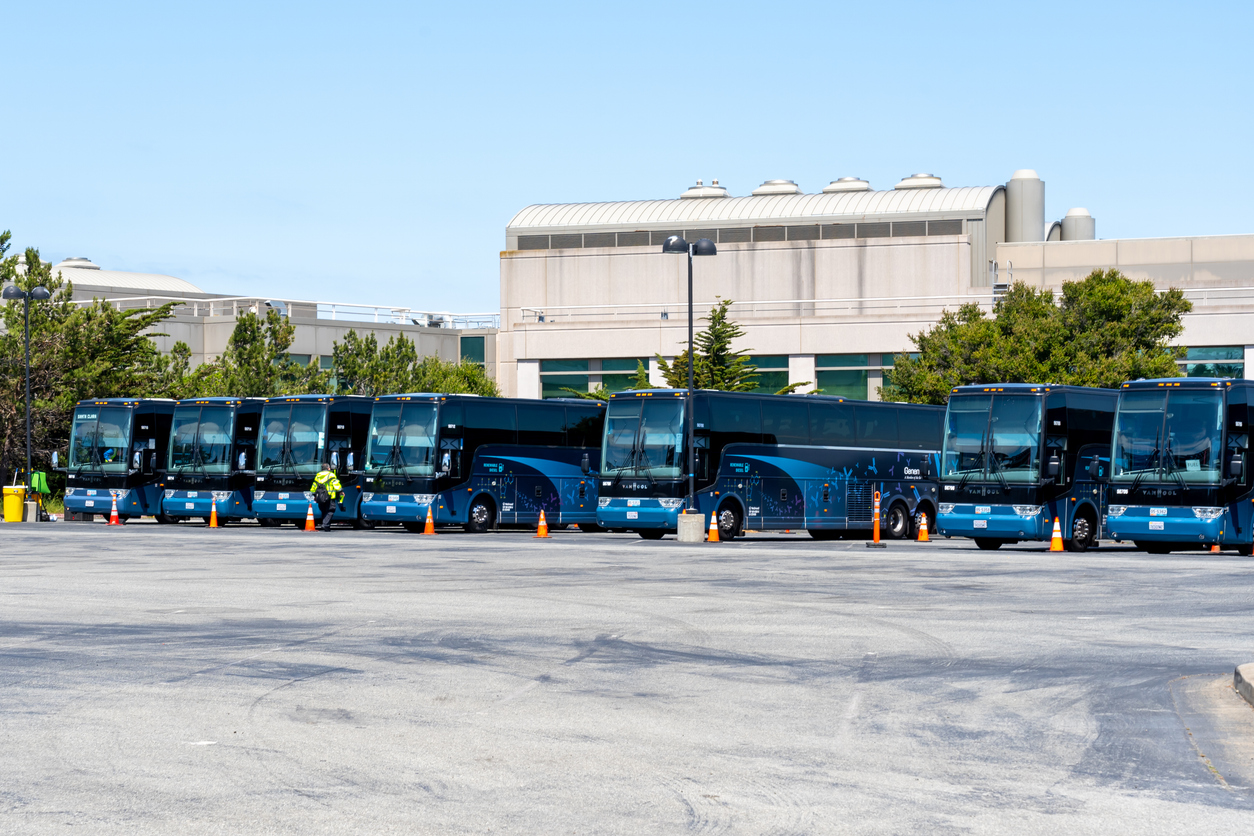
An underutilized vehicle doesn’t look like a problem. It isn’t breaking down, it isn’t holding up a route, and it isn’t generating repair invoices. It’s just parked. But that parked truck is still being insured, registered, depreciated, inspected, and serviced on a schedule, and somewhere else in the operation, a team is short a unit and covering the gap with overtime, a rental, or a delayed job.
That’s the real cost of underutilization. It’s not one big expense. It’s a slow drain spread across the balance sheet and the daily schedule at the same time. The challenge is that most operations can’t see it clearly, because utilization is tracked by memory, fuel receipts, or a monthly spreadsheet instead of actual usage. When telematics data from a system like AssetWorks GPS flows into FleetFocus, utilization stops being a guess and becomes something your team can manage day to day.
What an Idle Asset Actually Costs
The obvious costs of an underused vehicle are fixed ones: insurance, registration, depreciation, and any lease or financing payments. Those keep running whether the unit moves 400 miles a week or 4.
The less obvious costs are operational. Underused assets still take up yard space, still need inspections, and often still get pulled into the shop on calendar-based PM schedules built for vehicles that actually work. Batteries die, tires flat-spot, and fluids degrade on units that sit too long, so a vehicle that barely runs can still generate maintenance work.
Then there’s the opportunity cost. Capital tied up in a vehicle nobody is using is capital that isn’t available for a unit the operation actually needs. And when an underused asset is sitting at the wrong location, the fleet ends up paying twice: once for the idle unit, and again for the rental or overtime needed to cover demand somewhere else.
You Can't Manage Utilization You're Guessing At
Most operations have a rough sense of which units are busy and which aren’t. The problem is that rough sense is often wrong, or at least incomplete. The spare truck everyone assumes is barely used might be running every weekend. The unit that seems essential might log a handful of hours a month.
Without real data, utilization decisions turn into negotiations. Every location wants to keep its vehicles, and nobody wants to give up a unit they might need someday. It’s hard to push back without numbers.
AssetWorks GPS captures mileage and engine hours directly from each vehicle’s ECM, along with location, so usage is measured instead of estimated. Because that data is synced to FleetFocus, every asset’s record shows how much it’s actually being used alongside its maintenance and cost history. That turns “we might need it” into a conversation grounded in what the unit has really done over the last six or twelve months.
The Wrong Asset in the Wrong Place
Not every underutilized asset is unnecessary. Sometimes it’s just in the wrong place. One site has three spare trucks sitting in the lot while another is renting to keep up with demand. A service van stays assigned to a territory that shrank last year. Equipment ends up parked at a project site long after the work wrapped up.
These mismatches happen because asset location and assignment are usually tracked separately from actual usage, if they’re tracked at all. Location data from AssetWorks GPS shows where each unit actually sits, and pairing that with utilization shows which locations are overstocked and which are stretched. Rebalancing the fleet across sites is often the fastest way to reduce rentals and overtime without buying a single new vehicle, and it smooths out the handoffs between dispatch and operations that break down when the right unit isn’t where it’s needed.
Trailers and Equipment Are Easy to Lose Track Of
Underutilization isn’t only a truck problem. Trailers, generators, and other non-powered equipment are some of the easiest assets to lose track of, because they don’t have an engine to report from and they get moved around constantly. A trailer dropped at a customer site can sit for weeks. A generator can end up in the back of a yard where nobody remembers it’s there.
AssetWorks GPS includes battery-powered, weatherproof trackers designed for non-powered assets like these. That puts trailers and equipment on the same map and in the same records as the rest of the fleet, so idle units can be found, redeployed, or retired instead of being replaced because nobody could locate them.
Maintenance That Matches Real Usage
Utilization data doesn’t just help with deployment decisions. It also makes maintenance more accurate. A PM program built purely on calendar dates treats every vehicle the same, which means low-use units get serviced more often than they need and high-use units can fall behind.
When mileage and engine hours from AssetWorks GPS feed directly into FleetFocus, preventive maintenance can trigger off actual usage. A truck that runs hard comes due sooner, and one that barely moves isn’t pulled off the road for service it doesn’t need. Fewer unnecessary shop visits for idle units means more shop capacity for the vehicles doing the real work, and fewer surprise breakdowns on the units your schedule depends on most.
Turning Utilization Data Into Decisions
Once utilization is measured consistently, the next step is acting on it. Reporting in FleetFocus can show utilization alongside cost for each asset and asset class, which makes it easier to sort units into a few practical groups:
- Units that are well utilized and worth keeping on their current schedule
- Units that are underused at one location but needed at another, and should be reassigned
- Units that could be shared or rotated to spread wear more evenly across the fleet
- Units that are both underused and expensive to maintain, and are strong candidates for retirement
Reviewing those groups on a regular cadence (quarterly is a good starting point) keeps utilization from drifting back into guesswork. It also gives your team clear data when someone asks for an additional vehicle: before adding a unit, you can check whether one is already sitting idle somewhere else.
Making Every Asset Earn Its Place
A fleet doesn’t need to be smaller to be more efficient. It needs every asset to be in the right place, doing real work, and maintained according to how it’s actually used. That’s hard to manage when usage lives in someone’s head and maintenance lives in a separate system.
FleetFocus and AssetWorks GPS bring those pieces together, so location, mileage, engine hours, maintenance history, and cost all sit in the same asset record. The result is a clearer picture of which units are earning their place, and the data to act on the ones that aren’t.
If you suspect part of your fleet is sitting more than it’s working, the data can confirm it.