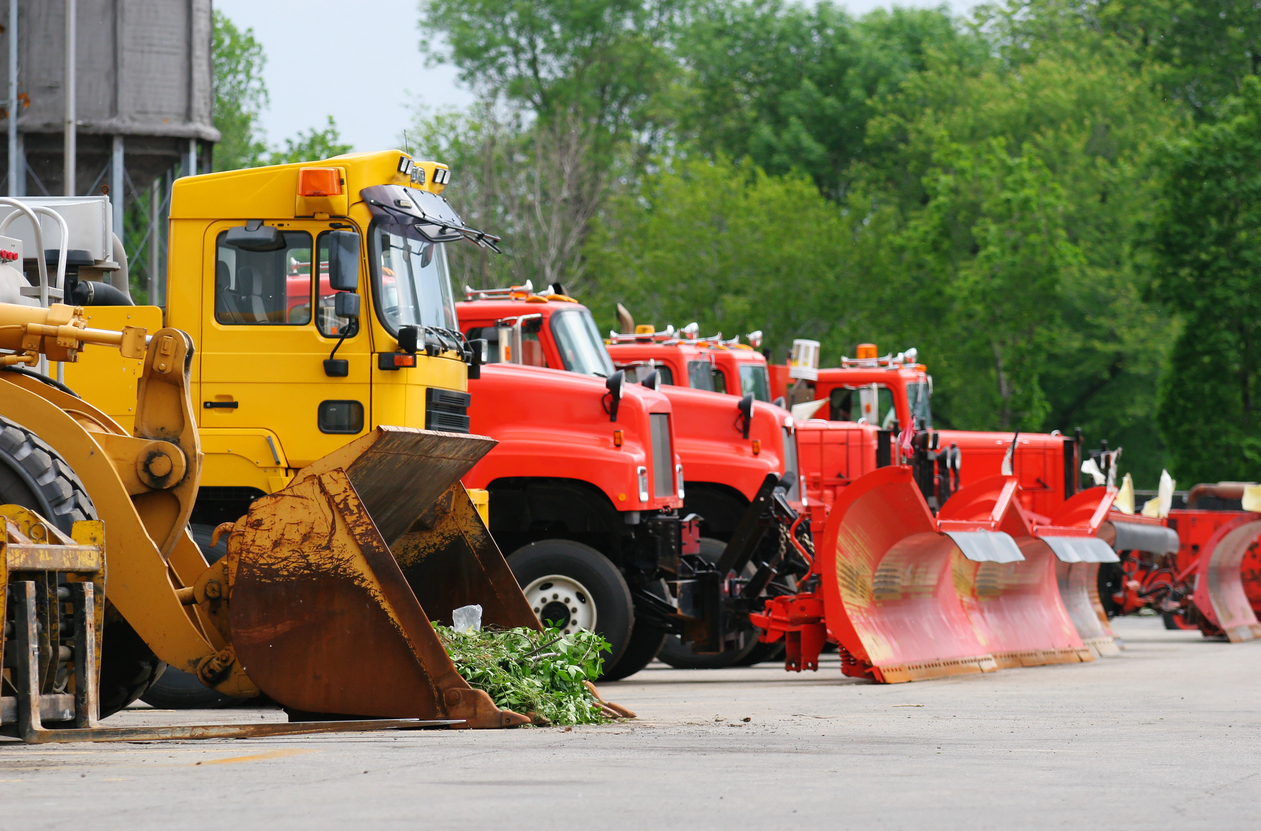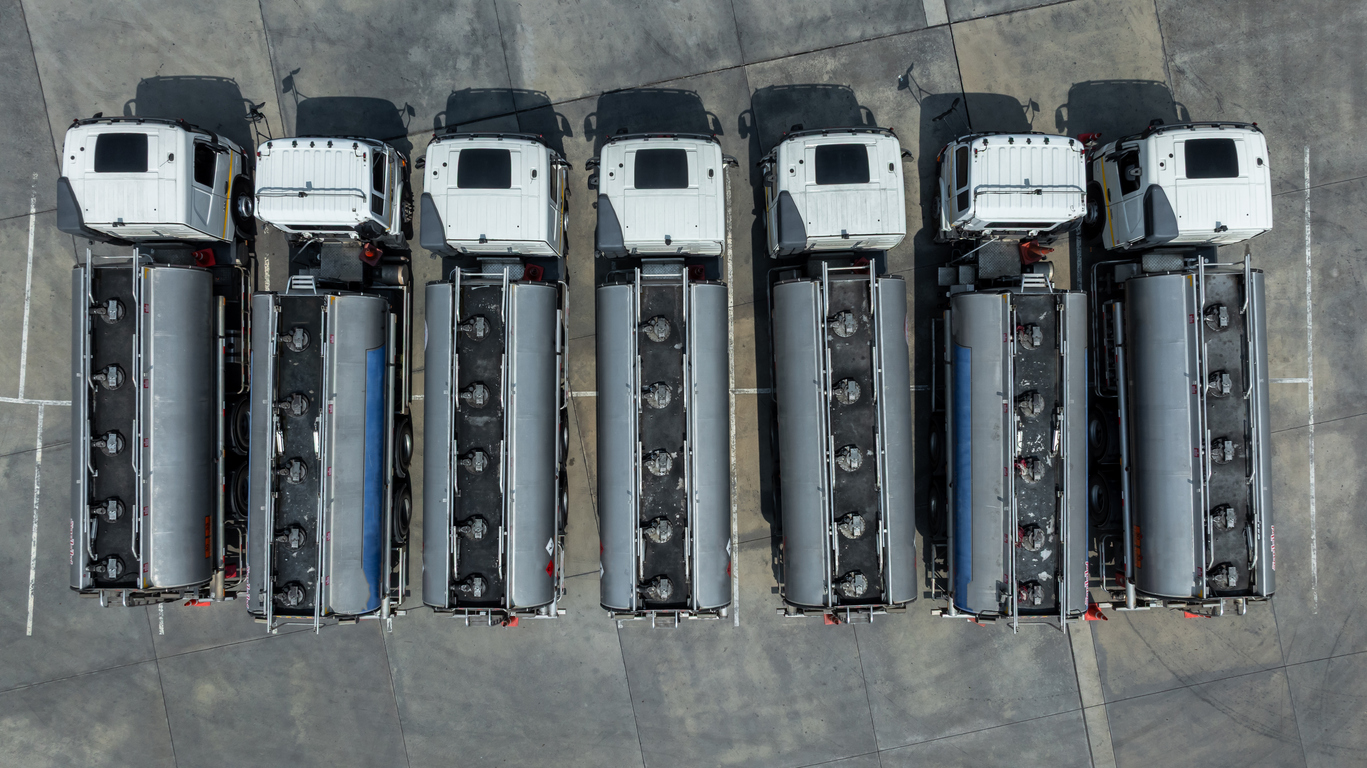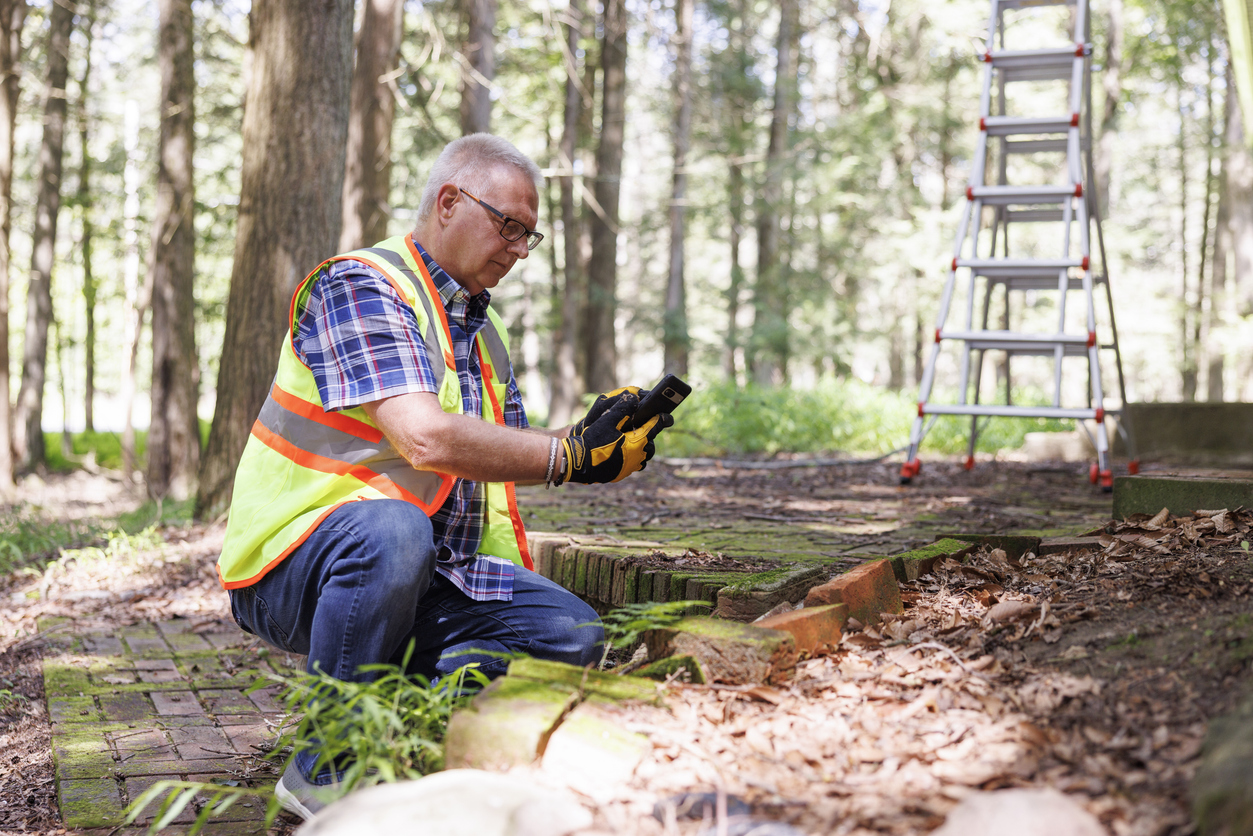
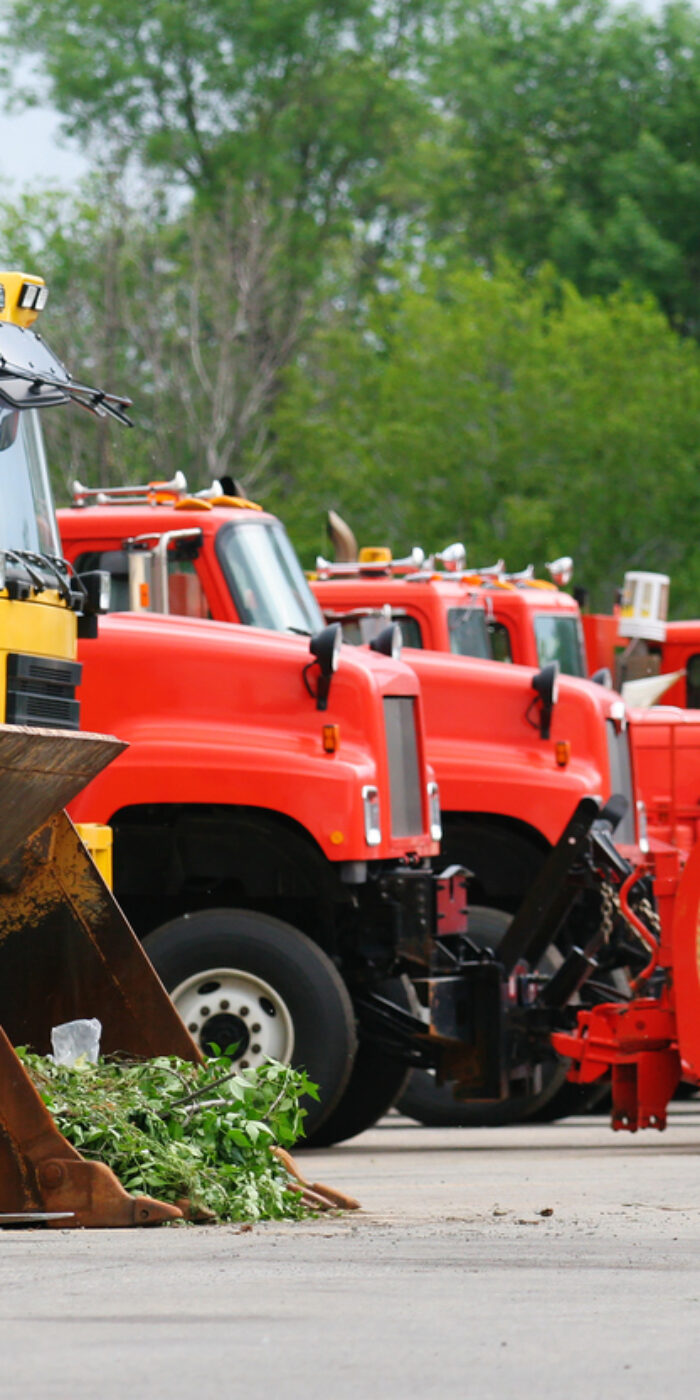
Parks and recreation departments operate some of the most diverse fleets in local government. Mowers, utility vehicles, trucks, tractors, irrigation systems, playground equipment, and specialty assets all require consistent care.
And unlike many other departments, park teams work directly in the public eye.
When equipment fails, the impact is visible immediately, such as uncut grass, closed athletic fields, delayed event setup, or unusable facilities.
The challenge isn’t just maintenance. It’s coordination.
Seasonal Demands Create Operational Pressure
Parks departments face unique seasonal swings:
Spring and summer mowing cycles
Fall cleanup and storm preparation
Winter equipment storage and snow operations
Event-driven scheduling
Without structured maintenance planning, equipment downtime tends to spike at the worst possible times, peak usage.
Proper scheduling and preventive maintenance are the keys to maintaining uptime during critical seasons.
Why Preventive Maintenance Matters
Preventive maintenance programs provide parks teams with:
Reduced equipment failures during peak use
Improved safety for staff and visitors
Extended asset lifecycles
Lower overall repair costs
Instead of relying on manual reminders or institutional memory, modern parks departments use centralized systems to automate maintenance schedules based on runtime, mileage, or seasonal triggers.
With solutions like AssetWorks EAM, park leaders can track vehicles and equipment across locations, monitor work orders, manage parts inventory, and generate reports that support data-driven planning.
Coordinating Teams, Assets, and Locations
Parks’ operations often span dozens, sometimes hundreds of sites. Athletic fields, playgrounds, community centers, trails, and specialty facilities each have unique maintenance needs.
Common challenges include:
Inconsistent work order tracking
Limited visibility across sites
Difficulty managing mobile technicians
Inventory shortages during peak demand
Disconnected GIS and asset data
A unified enterprise asset management approach connects maintenance workflows with asset records and GIS mapping. Managers can assign work electronically, track completion in real time, and ensure preventive tasks are completed on schedule.
This visibility benefits everyone:
Directors gain reporting clarity
Managers optimize labor allocation
Technicians receive clear, mobile work instructions
GIS specialists maintain accurate asset mapping
Improving Uptime Through Best Practices
High-performing parks departments focus on three best practices:
Standardized Work Processes:
Consistent workflows reduce confusion and improve technician efficiency.
Data-Driven Scheduling:
Maintenance is planned around asset usage and condition, not guesswork.
Performance Monitoring:
KPIs such as mean time between failure (MTBF), work order completion rates, and equipment downtime help leaders continuously improve.
Modern EAM platforms enable departments to capture and analyze this data without adding administrative overhead.
Supporting Community Expectations
Community expectations for parks and recreation services continue to rise. Residents expect clean, safe, well-maintained spaces — regardless of staffing or budget constraints.
By modernizing maintenance operations and implementing structured preventive maintenance strategies, parks departments can:
Improve service reliability
Enhance safety and compliance
Reduce emergency repairs
Strengthen long-term capital planning
Keeping park vehicles and equipment running isn’t just a maintenance issue, it’s a community experience issue.