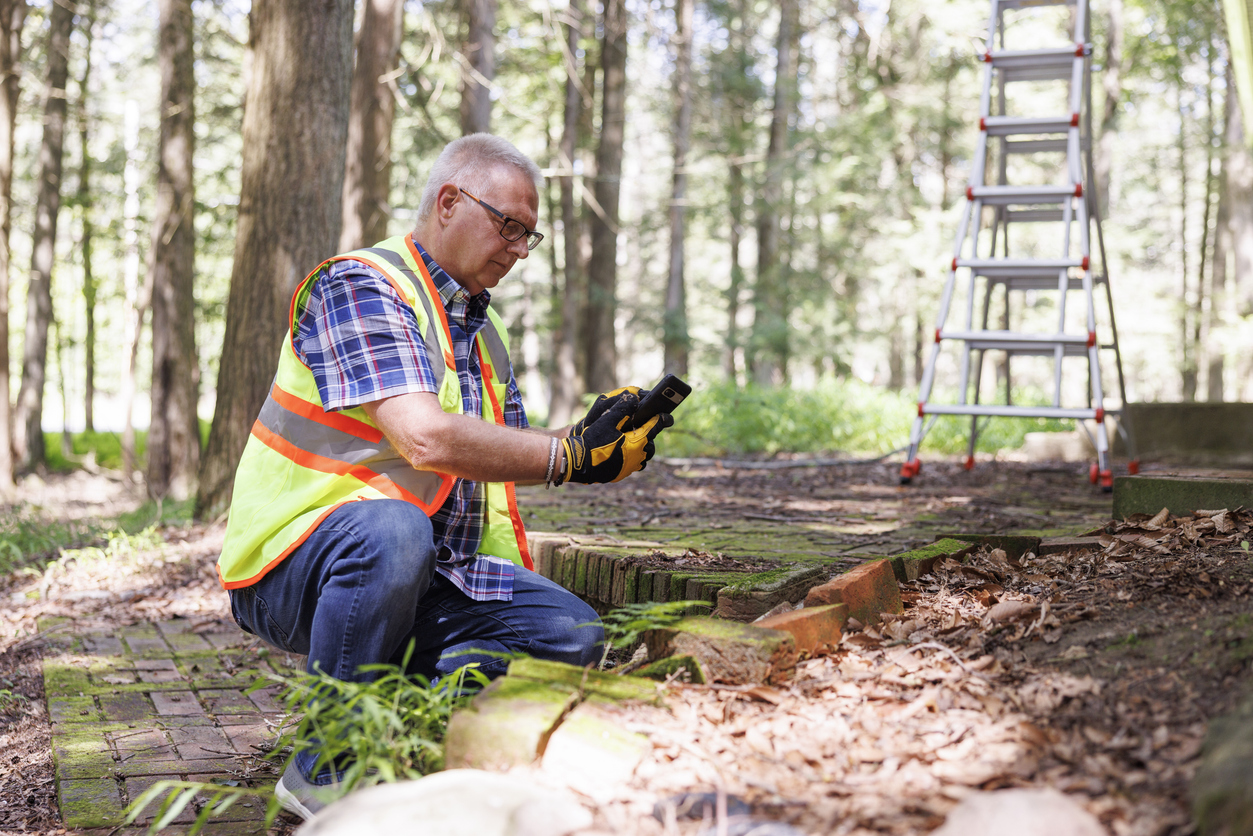

Public Works departments are responsible for infrastructure that touches nearly every aspect of daily life, such as roads, bridges, stormwater systems, traffic control, and public facilities. The expectations for reliability and transparency continue to rise, even as budgets and staffing remain tight. Small operational inefficiencies can multiply quickly, showing up as longer response times, recurring failures, and difficulty explaining priorities to leadership and the public. Addressing the basics of visibility of assets and work, consistent preventive routines, and clear reporting creates a foundation for everything else.
Fragmented Systems Create Operational Blind Spots
When inventories, work orders, inspections, and maps live in separate locations, staff spend too much time reconciling information and not enough time delivering service.
What this looks like in practice
- Duplicate or missing requests because call logs, emails, and forms aren’t consolidated.
- Ambiguous locations that send crews to the wrong intersection or asset.
- Incomplete histories make it difficult to justify work or plan improvements.
What this looks like in practice
- Establish an authoritative asset list with consistent IDs and attributes.
- Connect work activity to specific assets so histories accumulate and remain useful.
- Standardize request fields (who, what, where, priority) to stabilize intake quality.
Reactive Maintenance Crowds Out Planned Work
Emergency repairs will always exist, but when they dominate, preventive tasks slip, and failures repeat. The path out of this cycle isn’t complicated; it’s consistent.
A practical approach
- Define a modest preventive baseline (routes, frequencies, and checklists).
- Put preventive tasks on the calendar before new requests fill the week.
- Require quick closure notes and photos for safety‑critical work to build a reliable history.
- Review missed preventive items weekly and reschedule immediately rather than skipping.
What changes on the ground
- Fewer surprises because common failure points are addressed routinely.
- Clearer crew plans because preventive routes anchor the schedule.
- More accurate budgeting because planned work is easier to estimate.
Reactive Maintenance Crowds Out Planned Work
Emergency repairs will always exist, but when they dominate, preventive tasks slip, and failures repeat. The path out of this cycle isn’t complicated; it’s consistent.
A practical approach
- Define a modest preventive baseline (routes, frequencies, and checklists).
- Put preventive tasks on the calendar before new requests fill the week.
- Require quick closure notes and photos for safety‑critical work to build a reliable history.
- Review missed preventive items weekly and reschedule immediately rather than skipping.
What changes on the ground
- Fewer surprises because common failure points are addressed routinely.
- Clearer crew plans because preventive routes anchor the schedule.
- More accurate budgeting because planned work is easier to estimate.
Reporting That Guides Decisions (Not Just Dashboards)
Decision‑ready reporting focuses on a concise set of maintenance indicators that managers and crews can act on.
A simple monthly plan
- Planned vs. reactive work: shows operational stability.
- Schedule adherence for preventive tasks: indicates whether windows are protected.
- First‑time fix rate: highlights readiness, training, or parts issues.
- Response time by priority: reveals bottlenecks and helps tune dispatch rules.
- Backlog hours and trend: keeps expectations realistic and directs capacity.
Make it meaningful
Use a one‑page KPI summary and a one‑page narrative with “actions and impacts.” Over a few cycles, teams can see which adjustments matter and where to focus next.
Workforce Transitions and Knowledge Capture
Retirements and turnover can erode institutional memory. Capturing what experienced staff know about routes, tips, and pitfalls prevents avoidable missteps.
Practical habits
- Create short, task‑level procedures with photos instead of long manuals.
- Hold quick debriefs after unusual jobs to document lessons.
- Rotate staff through inspections in multiple asset classes to broaden coverage.
- Use simple tags or QR codes so new team members can pull the right checklist on site.
Field Mobility: Make the Asset the Workplace
Crews are most effective when they can create and close work in the field. A mobile‑first approach improves data quality and speed.
Essentials for the field
- Rugged devices, spare batteries, and offline forms for low‑signal areas.
- Short, mandatory closure notes and at least one photo for safety‑critical assets.
- Map layers for assets, open work, and temporary closures to reduce backtracking.
- End‑of‑day upload habits so records are current before the next shift.
Location Context Elevates Every Maintenance Decision
Location is not just a pin on a map; it is context that informs risk, access, and cost. Consistent mapping of assets and work helps teams spot patterns, avoid repeated travel, and plan routes that make sense with road conditions and time windows. Adding even basic location details to requests and work orders helps supervisors dispatch crews with confidence and gives leadership a clearer picture of service coverage.
Lifecycle and Capital Planning: A Straightforward Approach
When multiple treatment options are available, reseal vs. resurfacing, repair vs. replacement, documenting the reasoning behind a choice is critical.
A straightforward method
- Outline a small set of reasonable alternatives.
- Describe expected service intervals and the maintenance each option implies.
- Note key assumptions (e.g., traffic, usage, environmental conditions).
- Summarize the tradeoffs in plain language so choices are easier to communicate.
This discipline builds trust internally and externally because it shows how decisions balance cost, longevity, and service impact.
Change Management That Sticks
Operational improvements are more likely to last when the benefits are visible to crews and supervisors.
Make progress visible
- Crew‑level scorecards: assigned vs. completed work, open safety items, notes.
- Weekly “roadblocks” review focused on one fix for the next week.
- A photo wall of small wins to highlight outcomes residents appreciate.
A 90‑Day Starter Plan
Days 1–30: Foundation
- Confirm a priority asset class and corridor.
- Clean the asset list (IDs, locations, condition snapshot, photos).
- Define a preventive checklist and publish a route calendar.
Days 31–60: Field Execution
- Equip crews with mobile forms, offline capability, and a photo protocol.
- Begin end‑of‑day uploads; review missed preventive items weekly.
- Start a one‑page monthly KPI report.
Days 61–90: Refinement
- Tune preventive frequencies and route order based on field feedback.
- Document one lifecycle decision in plain English.
- Share a short before/after story with leadership and staff.
Addressing Public Works Operational Challenges
Public Works teams can improve reliability without large, disruptive changes. Centralized asset and work information, a protected preventive baseline, practical field mobility, and concise reporting create a repeatable operating rhythm. As consistency grows, planning becomes easier, crews spend more time on the right work, and leaders can communicate results with confidence.