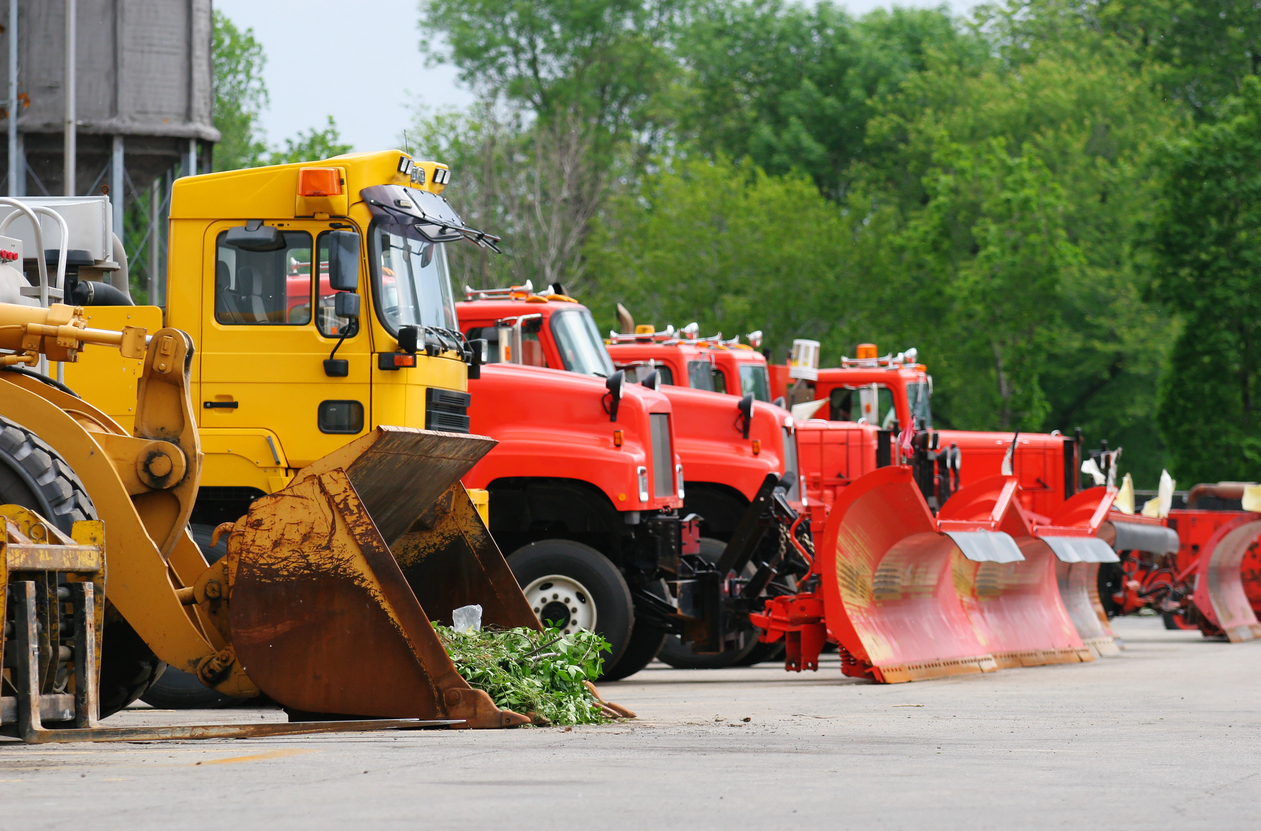

For public works leaders, fleet reliability isn’t optional; it’s foundational. Snowplows, refuse trucks, utility vehicles, graders, and service trucks represent the front line of service delivery. When vehicles aren’t ready, communities feel it immediately.
Yet many public works departments still operate in reactive mode.
A truck breaks down mid-route. A technician scrambles for parts. Work orders are delayed. Overtime increases. Service levels drop. Costs climb.
The question isn’t whether breakdowns will happen. It’s whether your fleet program is designed to prevent them.
The Hidden Cost of Reactive Maintenance
Reactive maintenance often feels unavoidable, especially when budgets are tight and teams are stretched. But the financial and operational impacts compound quickly:
Unplanned downtime disrupts service schedules
Emergency repairs cost significantly more than planned work
Overtime labor strains budgets
Asset lifecycles shorten due to deferred care
Data gaps make future planning harder
When fleet teams lack visibility into asset condition, maintenance history, parts availability, and lifecycle costs, decisions become guesswork. And guesswork is expensive.
Modern public works operations are moving toward structured, data-driven maintenance programs that shift the focus from repair to prevention.
What Proactive Fleet Management Looks Like
Proactive fleet programs rely on three pillars:
1. Preventive Maintenance Scheduling:
Maintenance is triggered by meter readings, usage thresholds, or time intervals, not breakdowns. Automated scheduling ensures nothing slips through the cracks.
2. Real-Time Asset Visibility:
Supervisors and managers can see work orders, asset health, technician productivity, and parts inventory in one system. This enables better planning and faster response.
3. Lifecycle Cost Tracking:
Understanding the total cost of ownership helps leaders decide when to repair, rebuild, or replace assets. Data-backed capital planning reduces long-term spending.
With enterprise asset management systems like AssetWorks EAM, public works departments can consolidate fleet, asset, and maintenance data into a centralized platform that supports smarter decision-making without adding administrative burden.
Breaking Down Operational Silos
Public works operations rarely operate in isolation. Fleet supports water, wastewater, streets, solid waste, and storm response teams. Yet maintenance data is often fragmented across spreadsheets, paper work orders, and disconnected systems.
A modern EAM platform connects:
Work management
Fleet maintenance
Inventory and parts
Procurement
GIS mapping
Capital planning
When fleet operations are integrated into a broader asset management strategy, departments gain:
Improved technician efficiency
Better parts forecasting
Reduced duplicate data entry
Clearer reporting for leadership and elected officials
This shift isn’t about technology for technology’s sake; it’s about equipping directors, managers, engineers, GIS specialists, and technicians with tools that simplify their work and strengthen accountability.
From Firefighting to Forecasting
Reactive organizations focus on today’s breakdown. Proactive organizations forecast tomorrow’s needs.
By leveraging maintenance history, usage data, and asset performance metrics, public works leaders can:
Identify high-risk vehicles before failure
Optimize replacement schedules
Reduce emergency procurement
Improve budget predictability
The result? Vehicles stay mission-ready. Technicians spend less time responding to crises and more time executing planned work. Leadership gains confidence in reporting and long-term strategy.
Modernization Is an Operational Strategy
Modernizing fleet management isn’t simply about software implementation. It’s about adopting a mindset that prioritizes reliability, transparency, and continuous improvement.
As infrastructure demands grow and workforce challenges persist, proactive fleet management becomes a competitive advantage, not a luxury.
Is your fleet program helping you stay ahead of problems, or constantly reacting to them?