
In facilities operations, small inefficiencies create big headaches. A missing inspection record, a misplaced work order, or an unclear responsibility can delay repairs and mask risk. Over time, these frictions accumulate into avoidable downtime, emergency calls, and pressure on budgets.
Manual Processes Slow Everything Down
Paper checklists and spreadsheet trackers make it difficult to maintain consistent records and retrieve them when needed. Even with dedicated teams, manual steps add delay and introduce the potential for error.
A path to consistency
- Convert high‑frequency inspections to standardized digital forms.
- Use clear naming conventions for assets and locations to avoid duplication.
- Require a brief summary on closure to capture what was found and fixed.
Fragmented Data Obscures Maintenance History
When maintenance information is scattered across multiple systems and inboxes, teams lose visibility into what has been done, what is overdue, and what is repeating.
Strengthen the backbone of your records
- Tie every work order to a specific asset so histories accumulate.
- Store manuals, warranties, and photos with the asset record for quick context.
- Establish a simple policy for where documents live and who updates them.
Reactive Repairs Crowd Out the Plan
Unexpected failures will always occur, but reactive work should not overwhelm the schedule. Without a preventive baseline, minor issues become major disruptions.
Protect your plan
- Put the plan on the calendar before ad‑hoc work consumes the week.
- Review missed preventive tasks weekly and reschedule immediately to keep momentum.
- Define preventive tasks for critical systems (mechanical, electrical, life‑safety).
Compliance and Audit Readiness Require Discipline
Audits often focus on whether maintenance was performed, whether records are complete, and whether responsibilities are clear. Missing documentation can create risk even when the physical work was done well.
Build audit confidence
- Keep inspection and test records in a single, consistent location.
- Use version control or date stamps to show the most recent procedure or checklist.
- Verify that required certifications and tags are current and visible.
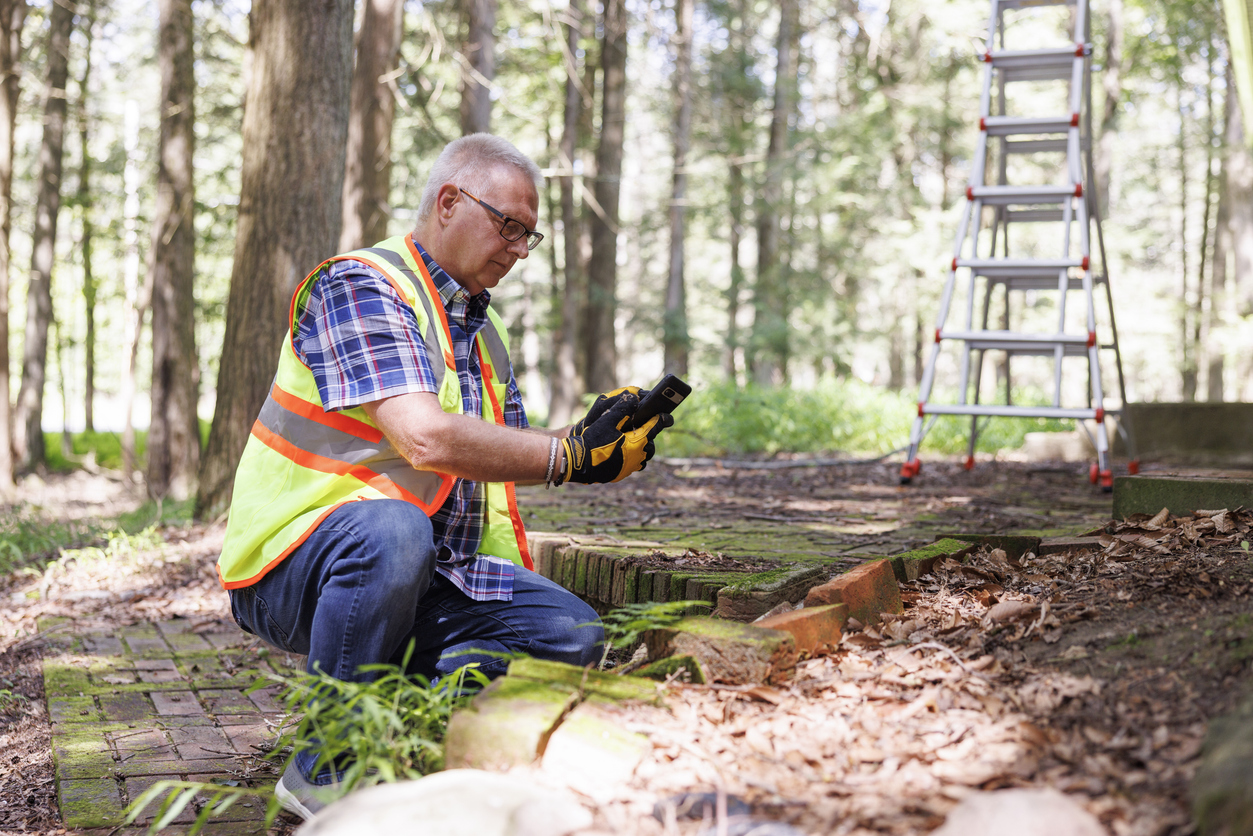
Facility Condition Assessments (FCA) Inform Priorities
An FCA helps teams understand condition, risk, and remaining useful life across a portfolio. It is not just an inspection, it is a planning tool.
Make FCA actionable
- Convert findings into prioritized projects with clear rationales.
- Link recommendations to preventive updates so improvements stick.
- Revisit assessments on a regular cycle to track progress and adjust plans.
Energy and Sustainability as Co‑Benefits
Maintenance and energy management are connected. Clean coils, properly sealed doors, and tuned control schedules reduce load on critical systems. By aligning routine maintenance with performance checks, teams can improve comfort and reliability while supporting broader sustainability goals without the need for speculative claims or complex programs.
Training, Safety, and Knowledge Transfer
Facilities work is specialized. When experienced technicians retire or change roles, new team members need more than a handoff; they need clear procedures and context.
Make learning part of the job
- Keep procedures short, visual, and focused on critical steps.
- Pair new staff with experienced mentors during routine inspections.
- Capture common errors and quick fixes in a living “field notes” document.
Technology Adoption Without the Whiplash
New tools are helpful only if they reduce work, not add to it. Choose technology that supports your operating rhythm.
Adoption principles
- Start by digitizing the highest‑frequency tasks.
- Pilot with a small crew, gather feedback, and adjust forms and screens before scaling.
- Keep device and app configurations simple to minimize troubleshooting.
A 90‑Day Roadmap for Facilities Maintenance
Days 1–30: Stabilize
- Identify the top three systems that drive service calls; define preventive tasks for each.
- Convert the related checklists to digital forms; set calendar reminders.
Days 31–60: Standardize
- Tie work orders to assets; attach photos and notes on closure.
- Consolidate documentation storage and define update responsibilities.
Days 61–90: Strengthen
- Conduct a focused condition review on one building or system; turn findings into a prioritized list.
- Share a short, plain‑language summary of actions taken and improvements observed.
Addressing Facility Maintenance Inefficiencies
Facilities teams can reduce risk and improve reliability by tightening a few essential practices. Centralized records, consistent preventive routines, disciplined documentation, and a measured approach to technology create a durable operating system. With these fundamentals in place, teams spend more time maintaining performance and less time chasing problems.