
Facility management is evolving. Staying ahead requires understanding the key shifts that will define the industry in the coming years. As we look toward 2026, a blend of technological innovation and a renewed focus on sustainability is setting a new standard for operational excellence. For facility managers, embracing these trends is not just about keeping up; it’s about unlocking new levels of efficiency, performance, and value.
To help you stay ahead, here is a detailed look at the top trends facility managers should watch for in 2026, each offering practical ways to drive efficiency and performance:
- AI and IoT Integration: Smarter building operations through connected sensors and intelligent automation.
- Sustainability as a Core Metric: Energy efficiency, water conservation, and eco-friendly materials woven into operational KPIs.
- Predictive Maintenance: Leveraging real-time data and analytics to anticipate equipment needs and reduce costly downtime.
- Data-Driven Decision Making: Using analytics platforms to identify inefficiencies and optimize capital investments.
- Mobile and Cloud-Based Workflows: Empowering teams with real-time access to information and tasks from anywhere.
- Enhanced Compliance and Reporting: Automated tools to ensure regulatory requirements are met without added workload.
- Workforce Enablement: Simplified systems and mobile tools that support field staff and accelerate onboarding.
- Integrated Asset Management: Centralized platforms for tracking, maintaining, and optimizing all facility assets.
- Community and Stakeholder Engagement: Transparent reporting and service request tools to boost public satisfaction.
- Flexible, Scalable Systems: Solutions designed to adapt as your facility’s needs and regulatory demands evolve.
AssetWorks will cover how artificial intelligence, sustainability initiatives, and data-driven strategies are reshaping the way we manage buildings and assets. Prepare to learn actionable insights that can help you optimize your operations for the future.
Integrating AI and IoT for Smarter Operations
The combination of Artificial Intelligence (AI) and the Internet of Things (IoT) is moving from a novel concept to a core operational tool. In 2026, these technologies will be essential for creating self-regulating, responsive, and efficient building environments. IoT sensors gather vast amounts of real-time data on everything from temperature and occupancy to equipment performance. AI then analyzes this data to make intelligent decisions automatically.
For example, an AI-powered building management system (BMS) can use IoT sensor data to adjust HVAC and lighting based on real-time occupancy patterns, not just fixed schedules. This reduces energy waste significantly. The system can also detect anomalies, like a sudden spike in energy use from a specific piece of equipment, and flag it for inspection before it becomes a major failure.
Actionable Insight:
Start small by deploying IoT sensors in a single high-cost area, such as your HVAC system or a high-traffic floor. Use the data to identify initial opportunities for energy savings or improved space utilization. This provides a clear proof of concept for expanding your smart building initiatives.
Sustainability as a Performance Metric
By 2026, sustainability will be far more than a corporate responsibility checkbox. It will be a key performance indicator (KPI) directly tied to financial and operational success. Stakeholders, from investors to tenants, are demanding greener buildings, and regulations around energy consumption and carbon emissions are becoming more stringent. Efficient facilities are, by nature, more sustainable facilities.
This trend involves more than just energy efficiency. It encompasses water conservation, waste reduction, and the use of environmentally friendly materials. Facility managers will play a central role in implementing and tracking these initiatives. This includes retrofitting buildings with energy-efficient systems, installing smart meters to monitor resource usage, and creating comprehensive recycling programs.
Actionable Insight:
Conduct a comprehensive energy audit of your facility to establish a baseline. Use this data to identify the most impactful upgrades, whether it’s switching to LED lighting, upgrading insulation, or modernizing old equipment. Tools that track utility consumption can help you measure the ROI of these projects and report on sustainability progress.
The Rise of Predictive Maintenance
Reactive maintenance—fixing things when they break—is inefficient and costly. Predictive maintenance, powered by IoT sensors and AI, represents a significant leap forward. Instead of relying on schedules (preventive maintenance) or waiting for failures, this approach uses data to predict when an asset is likely to fail.
Sensors on equipment like chillers, boilers, and elevators monitor performance indicators such as vibration, temperature, and energy consumption. An AI algorithm analyzes this data for patterns that precede a failure. When it detects a potential issue, it automatically generates a work order for a technician to inspect the asset. This allows you to schedule repairs at a convenient time, order parts in advance, and prevent costly unplanned downtime.
Actionable Insight:
Identify your most critical assets—those whose failure would cause the most significant disruption or cost. Begin your predictive maintenance journey with these assets. By focusing on high-value equipment first, you can demonstrate the benefits quickly and build a strong case for broader implementation.
Data Analytics for Informed Decision-Making
Gut feelings and experience are valuable, but in 2026, data will be the ultimate guide for facility management decisions. Modern Enterprise Asset Management (EAM) systems and building automation platforms generate a wealth of information. The challenge and opportunity lie in turning that raw data into actionable insights.
Data analytics can reveal hidden inefficiencies and opportunities for improvement. For example, by analyzing work order history, you can identify assets that require frequent repairs and may be candidates for replacement. Tracking space utilization data can inform decisions about office layouts or whether to consolidate underused areas. This data-driven approach ensures that capital investments and operational changes are based on evidence, not assumptions.
Sensors on equipment like chillers, boilers, and elevators monitor performance indicators such as vibration, temperature, and energy consumption. An AI algorithm analyzes this data for patterns that precede a failure. When it detects a potential issue, it automatically generates a work order for a technician to inspect the asset. This allows you to schedule repairs at a convenient time, order parts in advance, and prevent costly unplanned downtime.
Actionable Insight:
Utilize the dashboard and reporting features within your EAM or CMMS. Create a few key performance indicators (KPIs) to track regularly, such as work order completion rates, maintenance backlogs, and total cost of ownership for critical assets. Reviewing these metrics monthly will help you spot trends and make more strategic choices.
Adopting Mobile and Cloud-Based Solutions
The desk-bound facility manager is a thing of the past. The future of facility management is mobile and connected through the cloud. Cloud-based EAM systems allow managers and technicians to access critical information and workflows from anywhere, on any device.
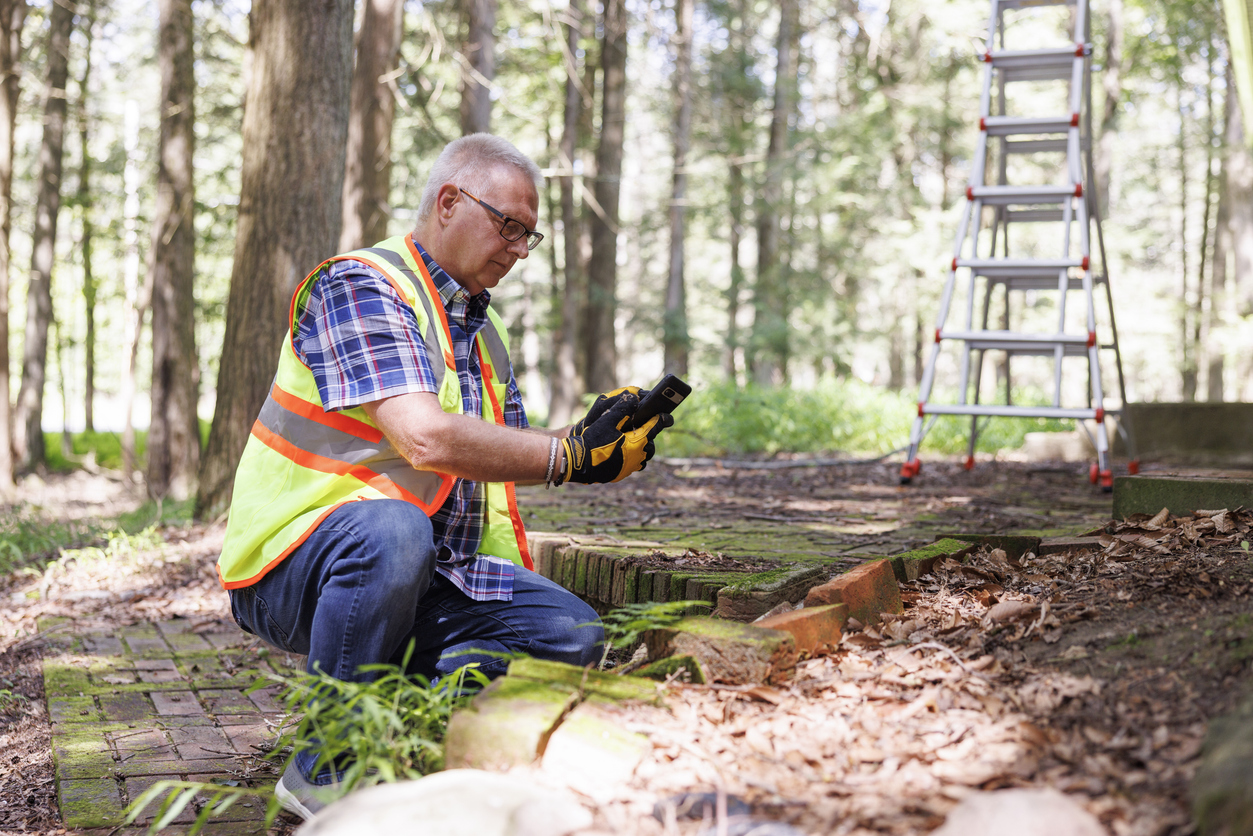
A technician in the field can use a tablet or smartphone to receive work orders, access asset histories, look up schematics, and record their labor and parts usage in real time. This eliminates paperwork, reduces administrative errors, and streamlines communication between the field and the office. For managers, mobile access means they can approve requests, review dashboards, and manage their teams while on the go. Features like store-and-forward capability ensure that work can continue even in areas with no internet connectivity.
Actionable Insight:
If you are still using a paper-based or on-premise system, explore modern cloud-based EAM solutions. When evaluating options, prioritize those with robust and user-friendly mobile applications. Empowering your technicians with mobile tools can dramatically improve their efficiency and job satisfaction.
A Forward-Looking Perspective
The trends shaping facility management for 2026 point toward a more integrated, intelligent, and proactive future. The role of the facility manager is shifting from a tactical operator to a strategic leader who leverages technology and data to optimize building performance, enhance occupant experience, and contribute to organizational goals.
Embracing these changes requires a willingness to invest in new technologies and adapt processes. The organizations that successfully navigate this evolution will not only improve their efficiency and performance but also build more resilient, sustainable, and valuable assets for the years to come.