As a Director of Parks and Recreation, you are tasked with a vital mission: ensuring community spaces are safe, accessible, and well-maintained. Looking ahead to 2026, the landscape of parks operations and asset management is evolving rapidly. New technologies, a growing emphasis on sustainability, and innovative community engagement methods are setting the stage for a more efficient and responsive future.
These shifts are not just about adopting new tools; they are about fundamentally enhancing how you manage resources, ensure public safety, and deliver value to your community. Let’s explore the key trends shaping the future of your operations.
Smart Technology Integration for Proactive Management
The integration of smart technology is transforming reactive maintenance into proactive asset management. By leveraging data and automation, parks departments can optimize resource allocation, enhance safety, and improve operational efficiency.
IoT Sensors and Real-Time Monitoring
One of the most significant advancements is the use of Internet of Things (IoT) sensors. These devices can be installed on everything from irrigation systems and lighting to playground equipment and waste bins.
- Smart Irrigation: Sensors monitor soil moisture and weather forecasts to water landscapes only when necessary. This practice conserves water, reduces utility costs, and ensures parks remain vibrant.
- Automated Lighting: Smart lighting systems can adjust based on a park’s usage patterns or time of day, enhancing safety while minimizing energy consumption.
- Waste Management: Sensors in trash receptacles can signal when they are full, allowing your teams to optimize collection routes. This saves fuel, reduces labor costs, and prevents overflowing bins.
- Asset Condition Monitoring: Sensors placed on critical assets like bridges or playground structures can detect subtle changes in structural integrity, sending real-time alerts that allow for preventative maintenance before a minor issue becomes a costly safety hazard.
Centralized Asset Management Platforms
These smart devices feed data into a centralized asset management system. This gives you a comprehensive, real-time overview of all park assets. With a user-friendly dashboard, you can track maintenance history, schedule work orders, and monitor asset health from one place. This seamless integration allows for data-driven decisions that directly impact your budget and your community’s safety.
A Deeper Focus on Sustainable Practices
Sustainability is no longer a niche interest; it’s a core expectation from the communities you serve. In 2026, sustainable practices are becoming standard procedure, driven by both environmental responsibility and long-term cost-effectiveness.
Green Infrastructure and Native Landscaping
Parks departments are moving away from manicured, high-maintenance landscapes toward more natural, resilient designs.
- Native Plants: Using plants native to your region reduces the need for irrigation, pesticides, and fertilizers. These landscapes also provide vital habitats for local wildlife.
- Permeable Surfaces: Replacing traditional asphalt or concrete with permeable pavers or gravel for pathways and parking areas helps manage stormwater runoff. This reduces erosion and lessens the burden on municipal storm drain systems.
- Green Roofs: Installing green roofs on park buildings like visitor centers or maintenance sheds provides insulation, reduces energy costs, and helps manage stormwater.
Electrification of Fleets and Equipment
The transition to electric vehicles (EVs) and battery-powered equipment is gaining momentum. While the initial investment can be a consideration, the long-term benefits are substantial. Electric mowers, leaf blowers, and utility vehicles produce zero emissions, are significantly quieter, and have lower operating and maintenance costs compared to their gasoline-powered counterparts. This shift improves air quality in your parks and reduces noise pollution, enhancing the visitor experience.
Innovative Community Engagement Strategies
Building strong relationships with your community is essential for success. The trends for 2026 focus on using technology to foster two-way communication and create a sense of shared ownership over public spaces.
Digital Communication and Feedback Channels
Modern parks departments are making it easier for residents to report issues and share feedback.
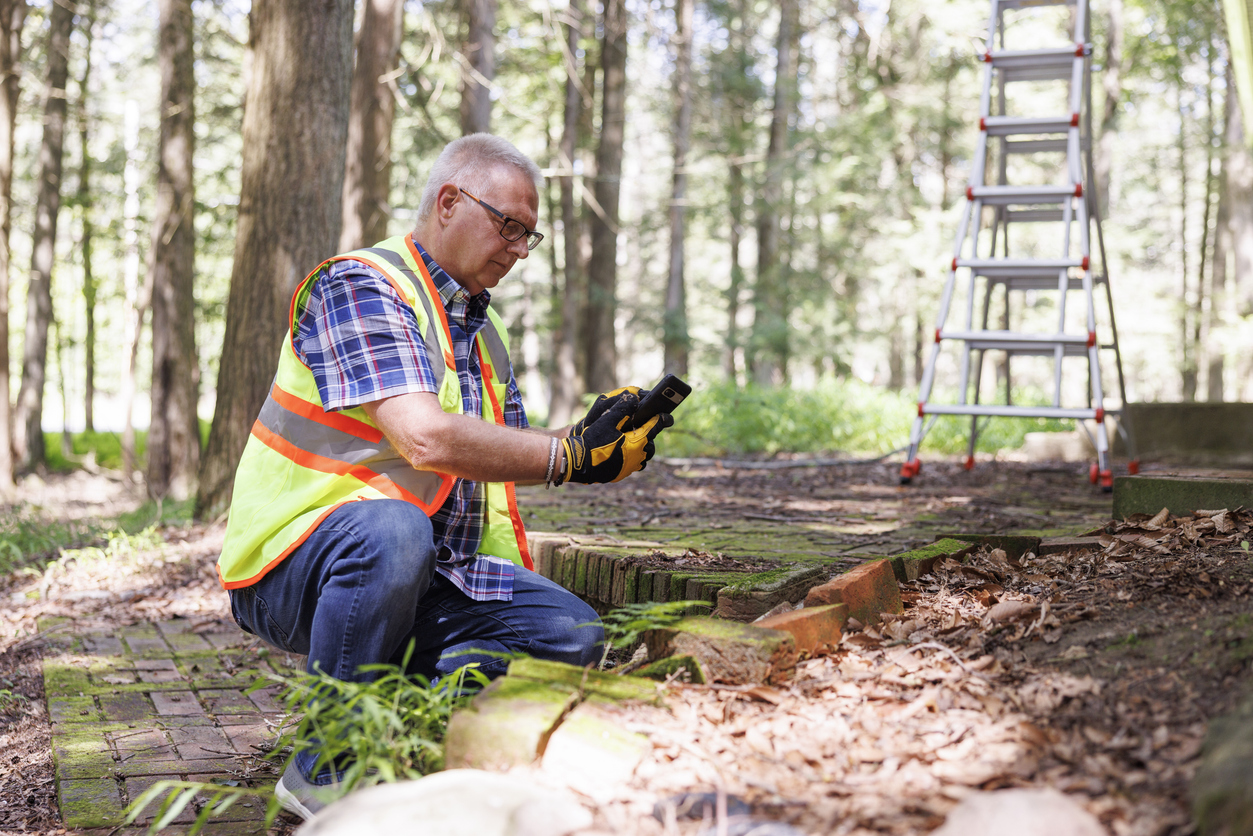
- Mobile Apps: A dedicated park app can allow users to report a broken swing, an overflowing trash can, or a downed tree limb by simply taking a photo and submitting it. This information can automatically generate a work order in your asset management system, streamlining the response process.
- Interactive Maps: Digital maps can provide visitors with information about trail conditions, facility availability, and upcoming events. You can also use these maps to solicit feedback on proposed park improvements.
- Social Media Engagement: Using social media to share updates, highlight park features, and run polls or surveys helps keep the community informed and involved in the decision-making process.
Data-Driven Programming and Development
By analyzing data on park usage, visitor demographics, and community feedback, you can make more informed decisions about programming and future developments. For instance, if data shows that a particular park’s basketball courts are consistently overcrowded, it
Challenges to Adopting These Trends
While these advancements offer immense potential, implementing them comes with challenges.
- Budget Constraints: The initial cost of smart technology and electric equipment can be a significant hurdle for departments with tight budgets. Seeking grants and exploring phased implementation plans can help make these projects more achievable.
- System Integration: Ensuring that new technologies integrate seamlessly with your existing systems is crucial for maximizing efficiency. A lack of integration can create data silos and operational bottlenecks.
- Staff Training: Adopting new tools and workflows requires an investment in training. Your team needs to be comfortable using the new systems to realize their full benefits.
Preparing Your Department for the Future
The future of parks and recreation management is about working smarter, not harder. By embracing smart technologies, championing sustainability, and engaging your community in meaningful ways, you can build a more resilient, efficient, and beloved park system.
Start by evaluating your current operations and identifying one or two areas where these trends could make the biggest impact. Whether it’s piloting a smart irrigation project or launching a new digital feedback tool, every step forward helps ensure your parks continue to thrive for years to come.