Parks departments maintain playgrounds, trails, fields, irrigation systems, restrooms, and indoor facilities, often across large geographies. Seasonal surges compound complexity: spring openings, summer programs, and fall transitions each drive different workloads and skills. The result can be a constant tradeoff between daily demands and the long‑term care that preserves safety and user experience.
Seasonal Surges Can Overwhelm Schedules
As demand rises, preventive work is often the first casualty. Without predictable scheduling, crews spend time reacting to the loudest request rather than the most important need.
What helps
- Build a seasonal calendar that locks in known work (field prep, irrigation checks, playground inspections) well before peak periods.
- Pre‑assign cross‑trained crews to high‑use sites during surges so routine tasks are not sidelined.
- Create a simple escalation ladder for safety issues to avoid blanket “all‑hands” disruptions.
Request Intake Without Structure Becomes Noise
Requests arrive from staff, residents, and partner organizations via forms, hotlines, and conversations. Without standard intake, duplication and delay are common.
A structured intake model
- Use a single request template with required fields (location, asset type, issue description, urgency).
- Categorize requests at submission so routing to the right team is automatic.
- Acknowledge receipt and set clear expectations for response so fewer “status update” calls distract crews.
Asset Diversity Demands Consistent Data
Playgrounds, courts, turf, irrigation, buildings, signage, and lighting all have different maintenance patterns and risks. A consistent inventory that captures location, condition, and history across asset types enables apples‑to‑apples prioritization.
Asset inventory essentials
- Standard IDs and naming conventions across parks and facilities.
- Tiered criticality (safety, high‑use, seasonal program impact) to guide scheduling.
- Photos to document the condition and guide future work without repeat site visits.
Safety, Accessibility, and Compliance Require Discipline
Safety and accessibility are non‑negotiable. Routine inspections, especially for playgrounds, structures, lighting, and restrooms, protect users and reduce the likelihood of repeat issues.
A practical inspection rhythm
- Short, frequent checklists for high‑risk assets.
- Clear thresholds for out‑of‑service decisions and temporary signage.
- Follow‑up verification after corrective work to confirm issues are closed.
Balancing Daily Demands with Long‑Term Care
A park can be open and busy while still accruing hidden risks. Treat preventive tasks as capacity protectors, not nice‑to‑haves.
How to protect the future while serving today
- Reserve standing time blocks each week for preventive tasks at high‑use sites.
- Bundle tasks by area (e.g., trail segment or complex) to reduce travel and setup time.
- Use quick post‑event checklists to catch damage or wear before it spreads.
Mobile Tools for Distributed Teams
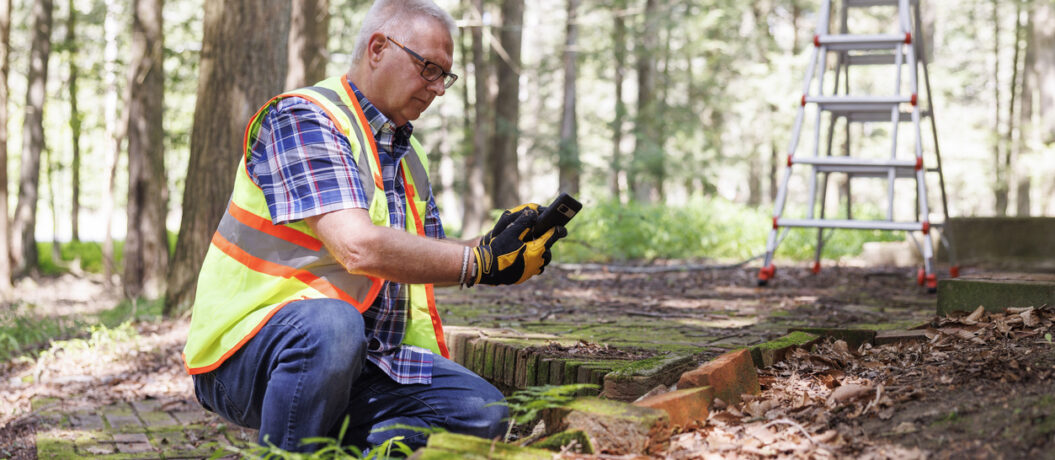
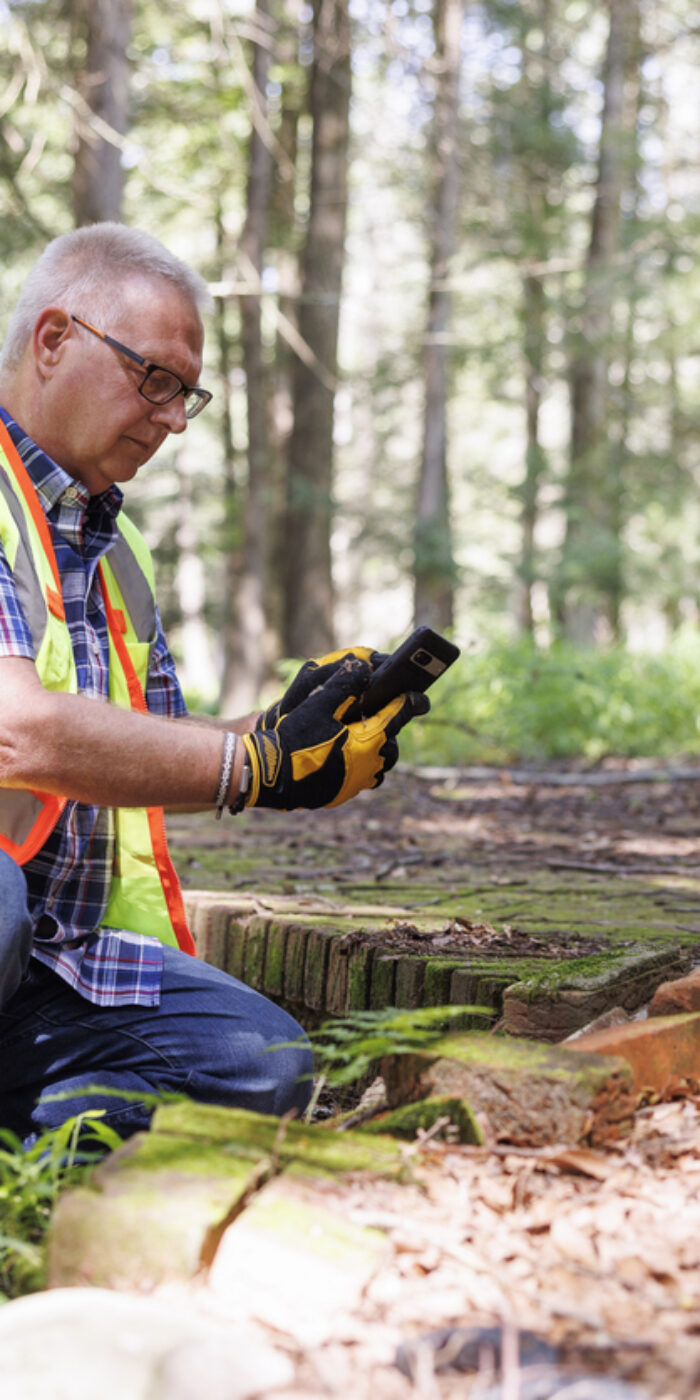
Park assets are outdoors, dispersed, and affected by weather. Crews need to record work where it happens.
Mobile workflow basics
- Offline‑capable forms for remote sites with weak signals.
- Pinpoint locations and photos to reduce back‑and‑forth.
- End‑of‑day verification that requests are properly closed to keep records dependable.
Community Outcomes and Equity Considerations
Parks serve people first. Tracking availability, safety closures, and user feedback by location helps identify where maintenance patterns should shift. Consider how scheduling, resource assignment, and communication can support neighborhoods with fewer alternatives for recreation. Small operational adjustments, such as earlier openings in summer and more frequent checks at heavily used playgrounds, can have an outsized impact on community experience.
A 90‑Day Plan for Parks Operations
Days 1–30: Organize
- Build or refine the asset list for a high‑use area; include IDs, locations, condition photos.
- Define a seasonal calendar for upcoming work; set preventive time blocks.
Days 31–60: Execute
- Standardize request intake and start acknowledging submissions with expected timelines.
- Deploy mobile forms for field updates; require photos on closure for safety‑critical items.
Days 61–90: Improve
- Review which requests consumed the most capacity; adjust schedules accordingly.
- Document a small number of before/after stories that connect actions to user experience.
Overcoming Parks Operational Pain Points
Parks & Recreation teams can ease daily pressure by standardizing request intake, protecting preventive time, and equipping crews for field‑first updates. As inventories stabilize and schedules become more predictable, departments can prioritize work that preserves safety and enhances community experiences without unnecessary complexity.