

Overview
The transportation and logistics landscape in 2026 is being transformed by electrification, automation, and sustainability initiatives. Fleet leaders are leveraging data, predictive maintenance, and integrated technologies to improve efficiency and meet evolving regulations. These advancements are paving the way for smarter, safer, and more connected fleet operations across the commercial sector.
As 2025 winds down, commercial fleets are looking ahead to a new year of transformation. Technology, sustainability, and evolving regulations are reshaping every part of the transportation and logistics industry. For fleet leaders, 2026 will be about adaptation—turning disruption into opportunity and investing in smarter, cleaner, and more connected operations.
1. Zero-Emission Rules Accelerate
Across North America and Europe, regulators are tightening emissions standards and pushing faster adoption of zero-emission vehicles (ZEVs). Several U.S. states, including California, New York, and Washington, have already implemented clean-fleet mandates that will impact public and private operators alike.
For many fleets, 2026 will mark the start of mandatory emissions reporting and compliance planning. Federal and regional incentives for electric and low-NOx vehicles will also continue, helping early adopters offset upfront costs.
Fleets that act now can:
- Leverage clean-fleet funding and infrastructure grants.
- Gain preferred status with customers seeking sustainable partners.
- Future-proof operations against incoming ZEV mandates.
Environmental accountability is no longer a side project; it’s a requirement.
2. Electrification Expands Beyond the Pilot Stage
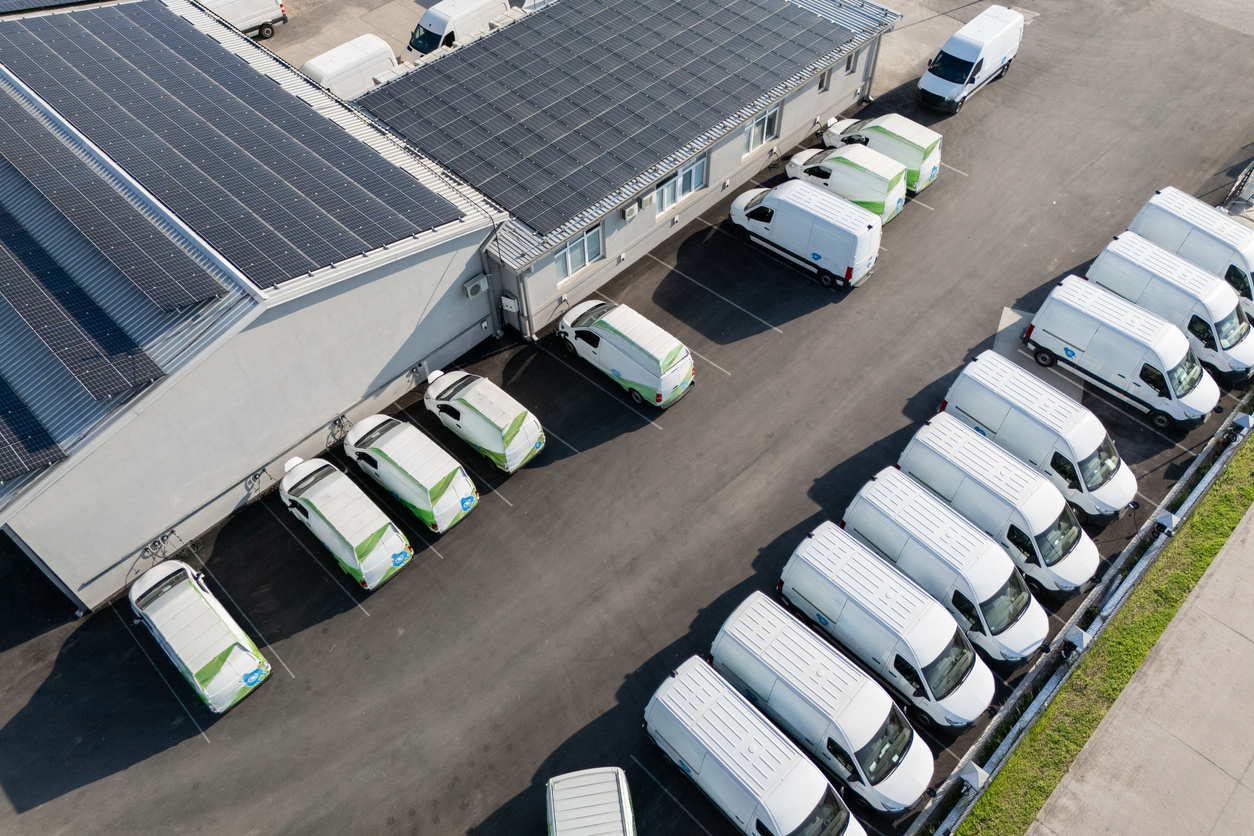
Electric vehicle adoption has moved from pilot programs to real implementation. In 2026, more fleets will scale electric light- and medium-duty vehicles across delivery, municipal, and service operations.
At the same time, hydrogen and renewable fuels are growing as complementary options. Battery-electric technology still struggles with heavy loads and long routes, but hydrogen offers potential for high-capacity and regional haul applications.
To manage the transition, fleets are turning to connected software that tracks charging schedules, energy use, and total cost of ownership across mixed-fuel fleets. Those insights are essential for scaling electrification efficiently.
3. Data and Predictive Maintenance Drive Profitability
The fleets that thrive in 2026 will be the ones turning data into action. Telematics systems now capture vehicle diagnostics, driver behavior, and route performance in real time—and advanced analytics can turn that information into measurable savings.
Predictive maintenance is one of the biggest payoffs. By analyzing sensor data, fleets can spot early warning signs like vibration changes or rising engine temperatures before they lead to downtime. AI-powered analytics are also optimizing routes, improving driver safety, and reducing idle time.
What once required spreadsheets and intuition is now driven by data models that continuously learn and improve, giving managers a powerful new lens for decision-making.
4. Supply Chain Resilience Shapes Logistics
After years of global disruption, supply chain resilience remains a top priority. 2026 will bring more regionalization and nearshoring as companies shift manufacturing and distribution closer to end markets.
For fleets, that means more short-haul and regional freight activity and greater demand for flexible, on-demand transport capacity. Advanced transportation management systems are helping logistics teams plan across modes—truck, rail, and intermodal—while maintaining full shipment visibility.
Building adaptability into routing, staffing, and asset allocation will be essential for managing a supply chain landscape that’s still unpredictable.
5. The Driver Shortage Persists—But the Approach Is Changing
Despite higher wages, the driver shortage remains one of the most pressing issues in fleet management. Recruiting and retention efforts in 2026 will focus less on compensation alone and more on improving the driver experience.
Companies are modernizing dispatch tools, improving route predictability, and adding in-cab technologies that enhance safety and reduce fatigue. Wellness programs, training opportunities, and clearer career paths are also helping improve retention.
Fleets that use technology to make driving safer and less stressful—not more complex—will stand out as employers of choice.
6. Automation and AI Streamline Operations
Artificial intelligence and automation are becoming standard tools in fleet management. AI-powered dispatching platforms can predict delivery delays, reroute vehicles automatically, and even generate compliance documentation.
Semi-autonomous vehicle technology is slowly entering real-world use in closed environments like ports and distribution yards. For most fleets, however, automation’s immediate value comes from administrative efficiency—reducing manual data entry, scheduling, and reporting.
These tools don’t replace human expertise; they amplify it. By eliminating repetitive work, managers and technicians can focus on improving performance, safety, and service quality.
7. Sustainability Turns into Strategy
Sustainability has evolved from a marketing initiative to a core business priority. Customers and investors are demanding proof of progress, and fleets are responding with measurable goals.
In 2026, expect to see:
- Expanded use of renewable energy at depots and facilities.
- Increased tracking of carbon emissions and fuel consumption.
- Route optimization tools are designed specifically to reduce idling and waste.
Green operations now influence everything from customer retention to insurance premiums. Fleets that demonstrate accountability through data and reporting will gain long-term financial and reputational benefits.
8. Smarter Asset Lifecycle Management
With equipment costs still high and supply chains for new vehicles improving only gradually, fleets are getting strategic about asset replacement. Instead of using age or mileage alone, managers are turning to lifecycle models that consider maintenance history, fuel efficiency, and residual value.
Data-driven replacement planning helps avoid costly repairs and reduces downtime. Fleet management software now allows teams to forecast lifecycle costs years in advance and schedule capital investments accordingly.
Smarter lifecycle decisions not only improve financial performance, they also support sustainability by keeping the most efficient vehicles in operation longer.
9. Integration Becomes the Efficiency Engine
Fleet operations have historically been fragmented—fuel systems in one platform, maintenance in another, financial data in spreadsheets. In 2026, integration is becoming the key to efficiency.
Modern fleet management platforms now connect telematics, work orders, inventory, and financial systems under one digital roof. That real-time visibility lets managers spot trends, reduce redundancy, and react faster to changing conditions.
Integration also unlocks better reporting. When emissions data, maintenance records, and costs are tied together, organizations gain a full picture of their performance and can make decisions that balance sustainability with profitability.
10. Preparing for What’s Next
2026 represents a crossroads for the fleet industry. Electrification, automation, and sustainability are no longer future concepts—they’re operational realities. Fleets that modernize their infrastructure and mindset now will be positioned to thrive as these forces accelerate.
To prepare for the year ahead, fleet leaders should:
- Audit operations to assess emissions, efficiency, and asset health.
- Pilot new technologies such as EVs, hydrogen, or predictive maintenance tools.
- Invest in integration to unify data across departments.
- Engage employees early to ensure successful adoption of new systems.
- Plan for compliance by mapping upcoming emissions and reporting requirements.
2026 will reward proactive, data-driven decision-making. The fleets that see change not as disruption but as opportunity will set the standard for the next era of transportation and logistics.