
The end of summer brings a familiar shift for parks and recreation departments. As the peak season of crowded pools, bustling sports fields, and sunny picnics winds down, a new set of priorities emerges. The transition to fall is a critical period that requires a complete adjustment in maintenance strategy. Preparing your parks for cooler weather, winterizing seasonal assets, and ensuring public safety all demand careful planning and execution.
This seasonal handover can be a complex undertaking. It involves juggling numerous tasks, from shutting down irrigation systems and servicing HVAC units in community centers to inspecting playground equipment for weather-related wear. Without a streamlined process, this transition can strain resources, lead to oversights, and create potential safety hazards.
This is where an Enterprise Asset Management (EAM) system becomes an indispensable partner. A robust EAM solution simplifies seasonal preventive maintenance planning, transforming a potentially chaotic period into a smooth, controlled, and efficient operation. Let’s explore how you can leverage this technology to manage the shift from summer to fall with confidence.
The Challenge of Seasonal Transitions in Park Maintenance
Moving from one season to the next is more than just a change on the calendar; it’s a fundamental shift in operational focus. Each season presents unique demands on your assets and your team.
Key challenges you face during the summer-to-fall transition include:
- Winterizing Summer Assets: Assets like swimming pools, splash pads, and irrigation systems must be properly shut down and winterized to prevent damage from freezing temperatures. An improper shutdown can lead to cracked pipes and costly repairs come springtime.
- Prepping for Fall and Winter Use: As outdoor activities shift, facilities like indoor recreation centers, ice rinks, and community halls see increased use. This requires inspecting and servicing HVAC systems, lighting, and other indoor equipment to ensure they are ready for higher demand.
- Managing Seasonal Equipment: Summer equipment, such as commercial mowers and line stripers, needs to be serviced and stored correctly. At the same time, fall and winter equipment like leaf blowers, snowplows, and salt spreaders must be inspected and prepared for deployment.
- Ensuring Ongoing Safety: The change in weather brings new safety concerns. Wet leaves can create slip hazards on pathways, and reduced daylight hours necessitate thorough checks of all outdoor lighting. Playground equipment needs inspection for wear and tear accumulated during the high-traffic summer months.
- Coordinating Staff and Schedules: Manually creating and assigning work orders for hundreds of seasonal tasks is time-consuming and prone to error. It becomes difficult to track progress and ensure that every critical task is completed on time.
Juggling these responsibilities with paper-based systems or disconnected spreadsheets can feel overwhelming. An EAM system provides the structure and automation needed to master this seasonal shift.
How EAM Streamlines Your Fall Maintenance Plan
An Enterprise Asset Management system acts as a central command center for all your maintenance activities. It allows you to move from a reactive scramble to a proactive, organized approach for seasonal transitions. By implementing a solution like AssetWorks EAM, you can automate planning, improve team efficiency, and ensure every asset is accounted for.
Here are some practical ways an EAM simplifies seasonal preventive maintenance:
Automated Scheduling for Preventive Maintenance
Instead of manually creating a fall checklist each year, an EAM allows you to build recurring, automated preventive maintenance (PM) schedules. You can create detailed task lists for specific seasonal jobs, such as:
- Irrigation System Winterization: Schedule a multi-step work order for blowing out the lines, shutting off water mains, and draining backflow preventers.
- HVAC System Tune-Ups: Automatically generate work orders for technicians to inspect and service the heaters in all your community buildings before the first cold snap.
- Playground Safety Inspections: Set up recurring inspections for the fall to check for summer wear, loose hardware, and potential hazards from falling leaves or branches.
These automated schedules ensure that critical tasks are never forgotten. Work orders are generated and assigned based on predefined triggers, like a specific date, freeing up your supervisors to focus on management rather than manual data entry.
Mobile Tools for Efficient Field Operations
Your crews are the backbone of your seasonal transition efforts, and they need tools that work where they do: in the field. An EAM with a powerful mobile application empowers your technicians to work more efficiently.
With the AssetWorks mobile app, your team can:
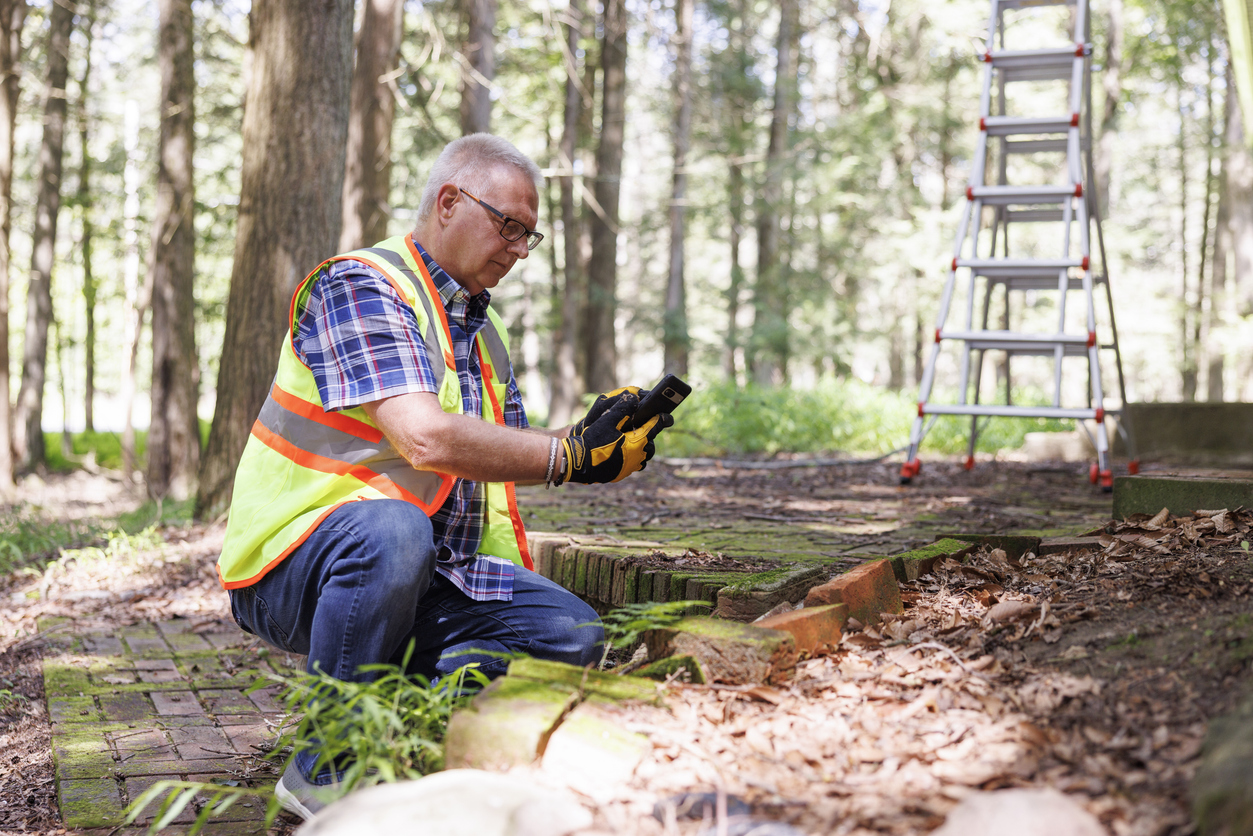
- Receive and Update Work Orders in Real-Time: A technician can receive a work order to winterize a park’s drinking fountains, follow the attached checklist, and mark the job as complete on their phone. This instantly updates the system, providing supervisors with a live view of progress.
- Access Asset History: While inspecting a furnace, a technician can pull up its entire maintenance history on a tablet. This helps them diagnose recurring issues and make more informed repair decisions on the spot.
- Capture Data at the Source: Teams can document their work with notes and photos, such as capturing an image of a repaired piece of playground equipment. This improves data accuracy and creates a clear audit trail.
Mobile access eliminates end-of-day paperwork, reduces errors, and ensures that management has an accurate, up-to-the-minute understanding of all maintenance activities.
Comprehensive Reporting for Better Decision-Making
How do you know if your seasonal maintenance plan is effective and cost-efficient? The answer lies in data. An EAM system captures a wealth of information that can be transformed into powerful, easy-to-understand reports.
These reports help you:
- Track Costs and Labor: Analyze the labor hours and material costs associated with seasonal tasks. This data can help you budget more accurately for next year and identify areas where you can improve efficiency.
- Identify Problem Assets: A report might show that a particular park’s irrigation system has required expensive repairs after each of the last three winters. This data provides a clear justification for a capital request to replace the aging system.
- Monitor Completion Rates: Quickly generate a report to see which seasonal PM tasks are complete, in progress, or overdue. This high-level view helps ensure your department is fully prepared before the weather turns.
With robust analytics, you can move beyond guesswork and make strategic, data-driven decisions that optimize resources, reduce costs, and enhance the safety and beauty of your parks.
Build a Proactive, Year-Round Maintenance Strategy
The transition from summer to fall is a perfect example of why proactive maintenance is so crucial for parks and recreation departments. Waiting for a pipe to burst or a heater to fail is far more costly and disruptive than performing scheduled, preventive tasks.
By leveraging an EAM system, you can build a resilient maintenance program that anticipates needs and addresses them before they become problems. This proactive approach ensures your parks remain safe, functional, and welcoming to the community, no matter the season. A well-executed seasonal transition protects your assets, optimizes your budget, and sets your department up for success all year long.